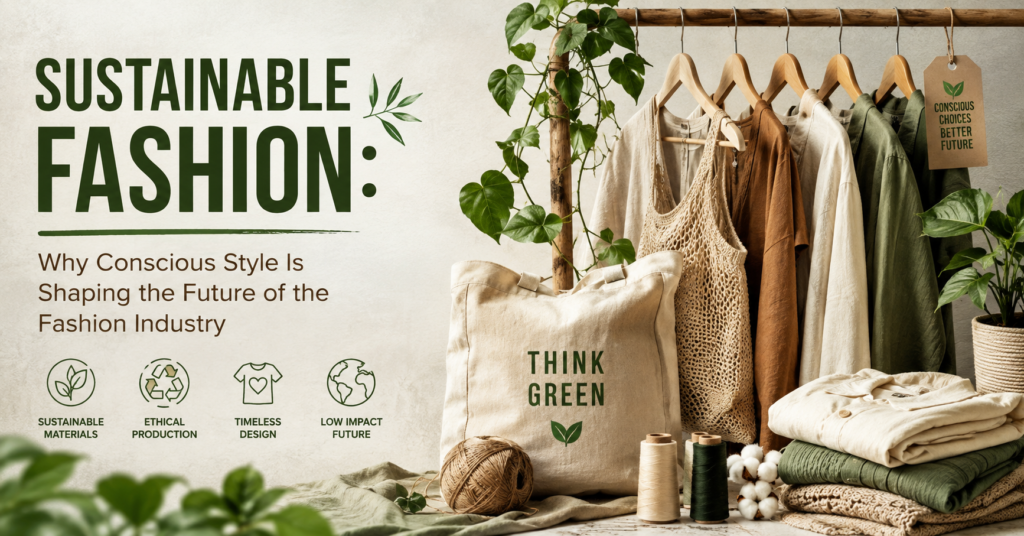
Fashion has always been more than just clothing. It represents creativity, culture, personality, and the way people express themselves. However, as the world becomes more aware of environmental challenges, the fashion industry is experiencing a major transformation.
Today, consumers are no longer interested only in trendy designs and affordable prices. They are asking deeper questions: Where were these clothes made? What materials were used? Were workers treated fairly? How long will these garments last?
This change in consumer mindset has led to the rapid growth of sustainable fashion, a movement focused on creating stylish clothing while reducing environmental damage and encouraging ethical practices.
In 2026, sustainable fashion is no longer considered a small trend. It has become one of the biggest influences shaping the future of the global fashion industry. From eco-friendly fabrics to ethical brands and mindful shopping habits, conscious style is changing how people build their wardrobes.
What Is Sustainable Fashion?
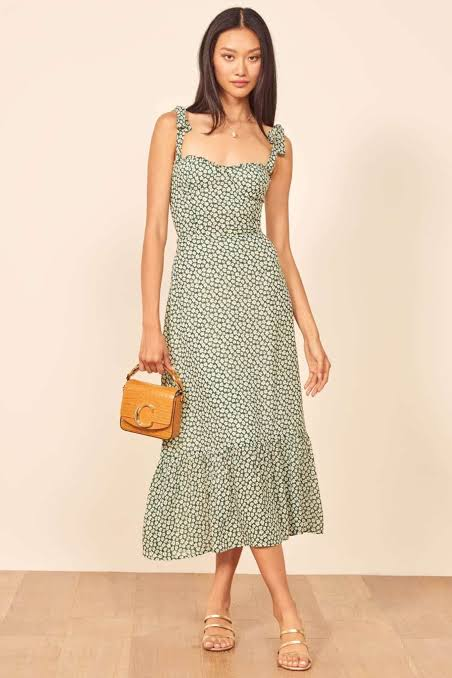
Sustainable fashion refers to clothing and accessories created with consideration for the environment, workers, and long-term use.
Unlike fast fashion, which focuses on producing large amounts of inexpensive clothing quickly, sustainable fashion encourages responsible production and thoughtful consumption.
The main principles of sustainable fashion include:
- Using environmentally friendly materials
- Reducing textile waste
- Supporting ethical manufacturing
- Creating durable and high-quality clothing
- Encouraging consumers to buy fewer but better pieces
The goal of sustainable fashion is not to remove creativity or personal style from clothing. Instead, it focuses on creating a healthier relationship between fashion, people, and the planet.
Why Sustainable Fashion Matters in 2026
The fashion industry is one of the largest industries in the world, but traditional clothing production has created serious environmental concerns.
Fast fashion has changed the way people shop by making clothing cheaper and more accessible. However, this convenience has also increased problems such as:
- Excessive clothing waste
- High water usage
- Pollution from textile production
- Overproduction
- Increased carbon emissions
Many garments are worn only a few times before being discarded, creating a growing problem of textile waste.
In 2026, shoppers are becoming more conscious of these issues. Instead of buying large quantities of low-quality clothing, many consumers are choosing timeless pieces that offer better value and longer use.
The Shift Toward Timeless Wardrobes

One of the biggest sustainable fashion movements is the shift from trend-based shopping to building a timeless wardrobe.
A sustainable wardrobe focuses on versatile pieces that can be styled in different ways and worn across multiple seasons.
Popular wardrobe essentials include:
- Classic blazers
- White shirts
- Neutral-colored dresses
- Quality denim jeans
- Comfortable trousers
- Simple trench coats
These pieces never go out of style and can easily be combined with seasonal trends.
For example, instead of buying several inexpensive jackets every year, investing in one high-quality trench coat can create countless outfits while reducing unnecessary consumption.
This approach is becoming especially popular among fashion-conscious women in the USA who want elegant style with fewer but smarter purchases.
Eco-Friendly Fabrics Leading the Fashion Revolution
Fabric selection plays a major role in sustainability. Designers and brands are exploring materials with a lower environmental impact.
Organic Cotton
Organic cotton is one of the most popular sustainable fabrics.
Compared with conventional cotton, organic cotton uses farming methods that reduce chemical usage and support healthier soil.
It is widely used for:
- Summer dresses
- Casual shirts
- Everyday clothing
- Comfortable basics
Linen
Linen has become a favorite choice for sustainable summer fashion.
Made from flax plants, linen is lightweight, breathable, and naturally comfortable in warm weather.
Linen dresses, shirts, and pants are especially popular for:
- Beach vacations
- Resort wear
- Minimalist outfits
Hemp
Hemp is another eco-friendly material gaining attention in the fashion industry.
It requires fewer resources to grow and creates strong, long-lasting fabrics.
Many sustainable brands are using hemp blends to create modern clothing with a natural appearance.
Recycled Fabrics
Innovation has also introduced recycled materials into mainstream fashion.
Some brands are creating fabrics from:
- Recycled plastic bottles
- Old garments
- Textile waste
These materials help reduce landfill waste and give discarded products a second life.
Ethical Fashion and Brand Transparency
Modern consumers want to know more about the brands they support.
Transparency has become an important part of sustainable fashion. Many shoppers prefer companies that openly share information about:
- Where products are manufactured
- How materials are sourced
- Working conditions
- Environmental goals
Ethical fashion brands focus on fair wages, safe workplaces, and responsible production methods.
This transparency allows customers to make better decisions and support companies that align with their values.
The Rise of Second-Hand and Vintage Fashion
Second-hand shopping has become one of the fastest-growing areas of sustainable fashion.
Vintage stores, thrift shops, and online resale platforms have changed the way people think about used clothing.
Instead of viewing pre-owned fashion as outdated, many shoppers now see it as a way to discover unique and stylish pieces.
Benefits of second-hand fashion include:
- Lower costs
- Reduced clothing waste
- Longer garment lifespan
- Unique fashion choices
Many fashion lovers create modern outfits by mixing vintage pieces with new clothing, creating personal styles that feel original and creative.
Creating a Sustainable Capsule Wardrobe
A capsule wardrobe is another major sustainable fashion trend in 2026.
A capsule wardrobe includes a carefully selected collection of clothing items that can easily be mixed and matched.
Benefits include:
- Less clutter
- Easier outfit planning
- Reduced unnecessary shopping
- More investment in quality pieces
A sustainable capsule wardrobe may include:
- A neutral blazer
- A classic dress
- Comfortable jeans
- Basic tops
- A versatile jacket
- Everyday shoes
This approach helps people focus on quality rather than quantity.
Simple Ways to Follow Sustainable Fashion
Adopting sustainable fashion does not require completely changing your lifestyle.
Small daily choices can create a meaningful impact.
Some simple steps include:
Buy Quality Over Quantity
Choose clothing that lasts longer instead of buying many inexpensive items.
Take Care of Your Clothes
Proper washing, repairing, and storage can extend the life of garments.
Repair Instead of Replace
Small fixes like replacing buttons or repairing minor damage can save favorite clothing pieces.
Donate or Resell Unwanted Clothes
Giving clothes a second life reduces waste and helps others.
Avoid Impulse Shopping
Think carefully before purchasing new items and choose pieces you truly need.
How Technology Is Shaping Sustainable Fashion
Technology is helping fashion companies create more responsible solutions.
New developments include:
- Digital fashion design
- On-demand manufacturing
- Improved recycling systems
- Innovative sustainable materials
On-demand production helps reduce overproduction by creating items only when needed.
Advanced recycling technology is also making it easier to reuse materials and reduce waste.
As technology continues to improve, sustainable fashion will become even more accessible for consumers.
Sustainable Fashion Trends in the USA for 2026
In the USA, sustainable fashion is becoming a major part of modern style.
Popular trends include:
- Minimalist wardrobes
- Neutral color palettes
- Vintage-inspired outfits
- Eco-friendly fabrics
- Slow fashion choices
- Investment clothing pieces
American consumers are increasingly choosing fashion that reflects both personal style and personal responsibility.
The future of fashion is moving toward clothing that looks beautiful while creating a positive impact.
FAQs About Sustainable Fashion
Q1.What is sustainable fashion?
Sustainable fashion is an approach to clothing that focuses on reducing environmental impact, supporting ethical production, and creating long-lasting garments. It includes using eco-friendly materials, reducing waste, and encouraging responsible shopping habits.
Q2.Why is sustainable fashion important in 2026?
Sustainable fashion is becoming more important because consumers are becoming aware of clothing waste, pollution, and unethical manufacturing practices. In 2026, many shoppers are choosing quality, ethical brands and timeless wardrobe pieces instead of fast fashion.
Q3.What are the best sustainable fabrics for clothing?
Some popular sustainable fabrics include organic cotton, linen, hemp, recycled materials, and responsibly sourced wool. These materials help reduce environmental impact while offering comfort and durability.
Q4.How can I make my wardrobe more sustainable?
You can create a more sustainable wardrobe by buying fewer but better-quality pieces, choosing versatile clothing, repairing damaged items, shopping second-hand, and taking proper care of your garments.
Q5.Is sustainable fashion more expensive than regular fashion?
Sustainable fashion can sometimes have a higher upfront cost because of better materials and ethical production. However, high-quality sustainable clothing usually lasts longer, making it a valuable investment over time.
Conclusion: Sustainable Fashion
Sustainable fashion is changing the way people understand style. It is no longer only about following the latest trends but about making thoughtful choices that benefit both individuals and the environment.
From eco-friendly fabrics and ethical brands to capsule wardrobes and second-hand shopping, conscious fashion offers a smarter way to dress.
In 2026, true style is defined by quality, confidence, and responsibility. By choosing sustainable fashion, consumers can create elegant wardrobes while supporting a better future for the fashion industry.
Fashion will always continue to evolve, but conscious style proves that looking good and doing good can go hand in hand.