The 3 Fall Haircuts Everyone Is Asking For
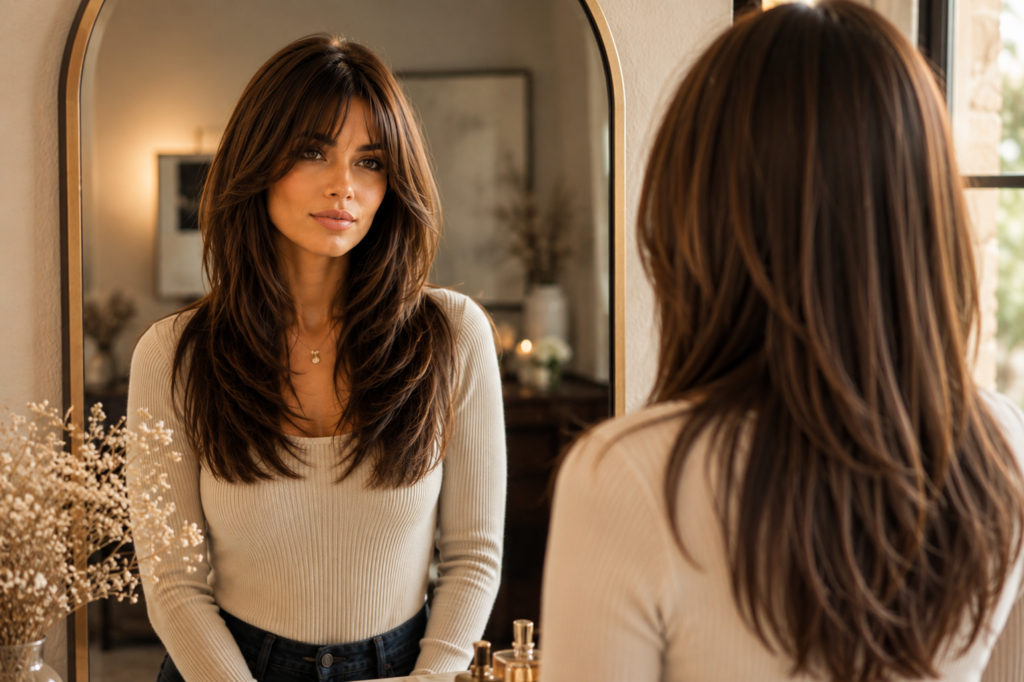
The Fall Cuts Getting Attention
This season, the viral fall haircuts are shaping the autumn hair trend. The three styles everyone is asking for are the shag haircut, feathered collarbone cut, and chest-length shag. I find these cuts practical because they refresh hair length without a dramatic change. A collarbone cut creates hair movement, while effortless layers add soft movement and hair volume. For straight hair or wavy hair, feathered layers can give a lighter finish. The straight to wavy range benefits from careful layer placement around the face. They suit medium density, thick, straight, or wavy hair in dry condition too.
The right layer start, bang length, and fringe can change the haircut result. Curtain bangs or a medium curtain fringe frame the face, while a long shape helps keep length. For thick hair, reducing hair bulk controls extra bulk; medium density hair usually needs less removal. In dry air, flat hair may appear because hair goes flat, so layers can support hair styling and a styling result. I focus on hair texture before cutting. The goal is to keep character, pull out excess weight, start with a shape that can work across nearly any texture, and choose between 3 adaptable styles.
Choosing the Right Haircut Changes Everything
When weather changes, our routines often change too. Outfits feel warmer, air becomes cooler, and a summer haircut may no longer suit your hair. My clients and followers keep asking which fall haircut feels right. I look beyond what is trending and choose a cut that fits your needs best.
After 10+ years behind the chair, my answer is simple: choose what matches your hair texture and hair behavior. Lower humidity can create dry air effects, so consider the seasonal change when planning your hair routine. A good cut should feel natural, practical, and easy to maintain as conditions shift.
How to Pick a Fall Haircut That Fits Your Hair Type
The biggest mistake is choosing a fall haircut only because it is trending. Your hair type and texture should guide the decision. In my experience with clients, a fall cut looks better when it works with your natural texture and hair behavior. Drier air can also change how hair responds.
Think about your routine before making a haircut choice. If your hair is styled every day, choose cuts that support simple hair styling. If you prefer to air-dry, look for natural shapes that need less effort. Good cuts improve suitability, making easy styling possible while keeping the hair manageable.
Straight Hair: What You’ve Got
If you have straight hair, the goal is to create movement without losing its sleek finish. I usually recommend:
- Blunt ends or textured ends to prevent hair from looking lifeless.
- Face-framing layers and curtain bangs can add soft shape without feeling high maintenance.
- For extra volume and body, ask your stylist for a point-cut finish or invisible layering.
These small changes can make straight hair look fuller while keeping the overall haircut polished and easy to manage.
Wavy Hair: What You’ve Got This Season
This season, wavy hair fits fall hair beautifully because a natural wave brings softness and easy movement. From my experience, the best approach is to work with your texture rather than fight it.
- Choose long layers and blended layers if you prefer air-drying.
- Add a curtain bang or face frame for a low-commitment change that refreshes your look.
- Skip razor cuts when you have dry hair or frizz-prone hair; ask for slide cutting and soft texturizing instead.
These techniques help keep waves defined, light, and naturally polished through changing fall weather.
Curly or Coily Hair: What Works Best in Fal
For curly hair and coily hair, fall can bring dryness and static, so curls need a shape that stays controlled. From my experience, the best cuts support natural texture while keeping definition and volume balanced.
- Choose a structured shape with intentional volume and rounded layers rather than uneven layers.
- Protective styles can work beautifully with cuts, especially long layers that show through twists or braids.
- Add face-framing layers for stronger curl definition, but adjust them carefully to suit your curl pattern.
The Feathered Collarbone Cut: Fall Haircut 1

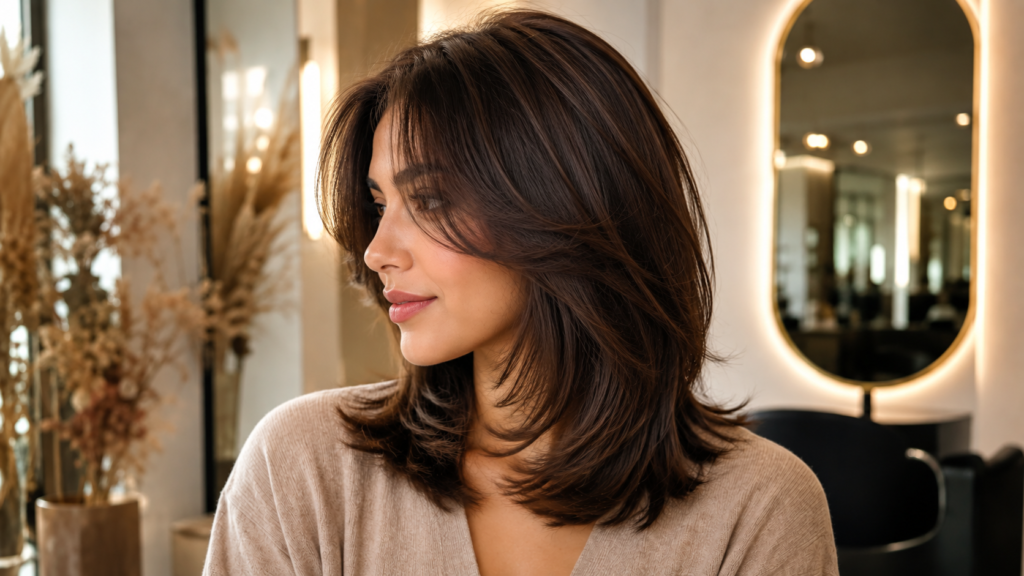
The feathered collarbone cut is a fall haircut I often recommend when someone wants a soft, easy, and polished change without going much shorter. The shape gives the hair gentle movement while keeping enough length for different styling options. It works beautifully with blowouts or curling the ends for a clean finish. For a smoother turned-under finish, use thermal hair rollers while the hair is still warm after a blow-dry, then allow them to cool before removing them. This can create shape without adding too much heat. I especially like the front layering because it frames the face and adds shape without taking away too much length. It is also simple to style at home and works well when you want a neat look without daily effort. If you are not ready for a dramatic change, this cut offers a fresh fall update while keeping the overall style soft, practical, and polished.
Who It Suits Best: Straight to Wavy Hair
This cut works beautifully for straight to wavy hair with medium density, especially when you want more shape and movement around the face. The layers keep the style soft and low-maintenance while still looking styled.
What to Ask Your Stylist: Length, Back and Front
Ask for a length about 2 inches below the collarbone. Keep the back straight across with textured ends. At the front, request face-framing layers, with the shortest piece sitting just above the lip. Tell your stylist exactly how you want the finish.
Pro Tip: Interior Texturizing
Choose interior texturizing instead of choppy layering to make the ends feel lighter while keeping bluntness at the bottom.
Chest-Length Shag with Curtain Bangs: Fall Haircut 2
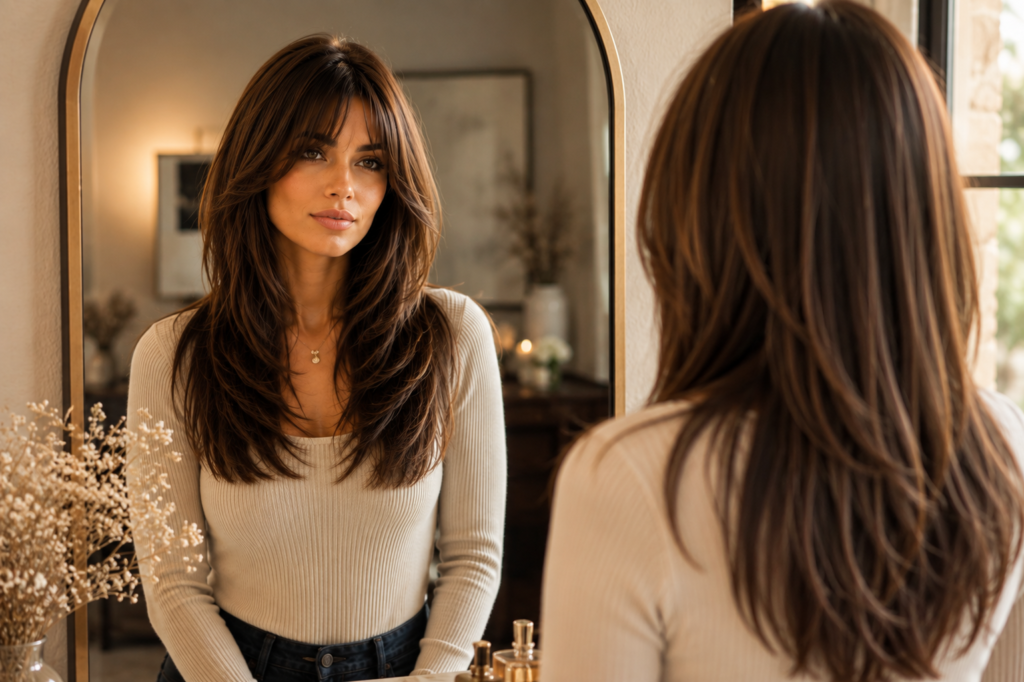
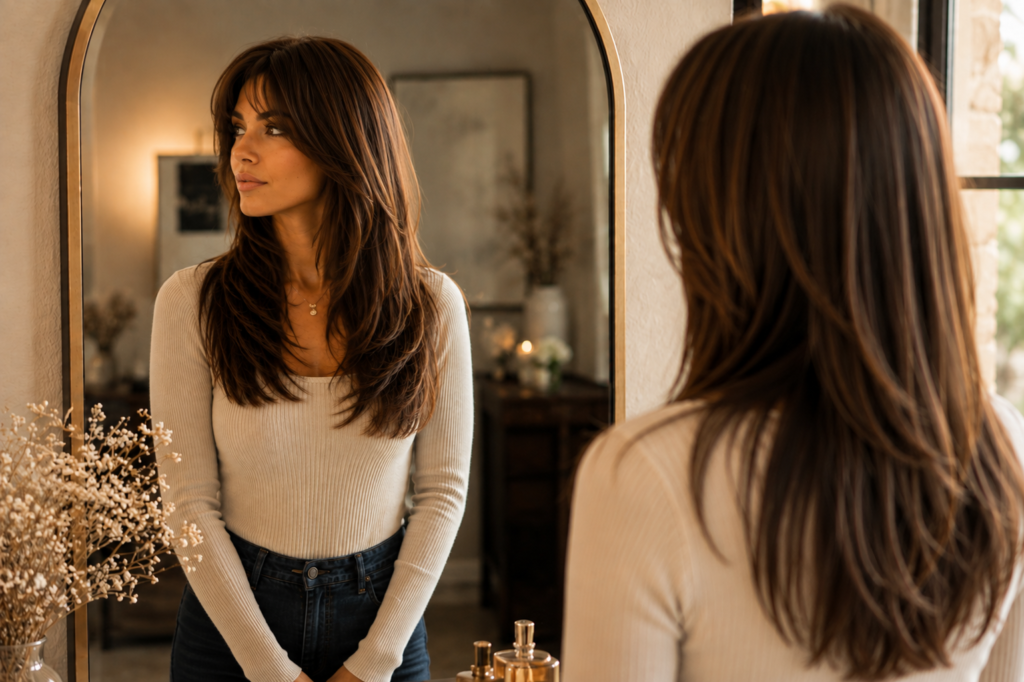
The chest-length shag is a fall haircut I recommend when someone wants more personality without sacrificing useful length. It has a soft edge that creates natural movement and dimension, making it especially helpful for thicker hair when you want to remove bulk. The short curtain bangs add another layer of interest; they can look dramatic enough to change your face shape while remaining easy to grow out. I like this style because it feels modern without requiring a complicated routine. Ask your stylist to balance the layers carefully so the shag keeps its shape, movement, and fullness without making the ends look too thin.
Who It Suits Best: Thick, Heavy and Wavy Hair
This style suits thick hair, heavy hair, and wavy hair with voluminous textures, especially for anyone who wears their hair down. In my experience, keeping enough length helps the shape feel balanced while allowing natural movement. It is a practical choice when you want fullness without making the hair feel overly heavy.
What to Ask Your Stylist: Length, Chest, Back and Front
Ask your stylist for a length that sits at the chest, with a straight base at the back. Add long layers beginning near the shoulders and short curtain bangs at the front, paired with face-framing layers.
Pro Tip: Curtain Bangs That Last Longer
Curtain bangs grow fast, so ask for them to start around the brow bone. This helps them last longer before your next trim.
Effortless Layers + Medium Curtain Fringe: Fall Haircut 3

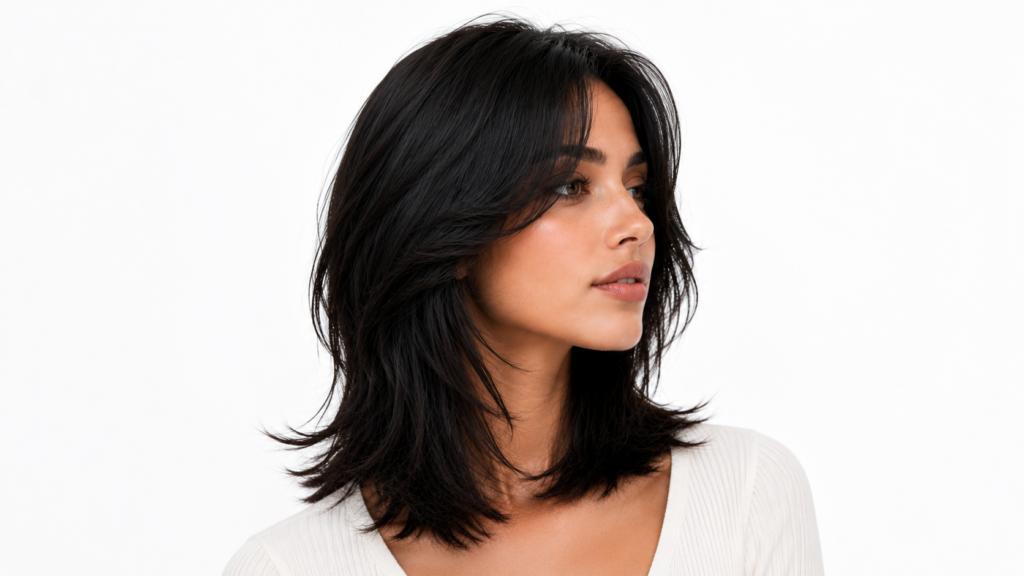
The effortless layers and medium curtain fringe create a fall haircut that feels fresh without being difficult. This in-between cut is low-maintenance yet put-together, while medium curtain bangs blend softly into the style without a harsh front section. I like how it works with a metal claw clip or waves, making it wearable for day-to-day life.
Who It Suits Best: All Hair Types and Lengths
This cut suits all hair types, especially medium lengths and long lengths, when you want natural movement without much styling effort. From my experience, its balanced layers create an easy shape that works for everyday wear while keeping the hair light, relaxed, and polished.
What to Ask Your Stylist: Length, Shoulders, Back and Front
Ask for a length around 2 inches below the shoulders. Keep the back with long layers and a straight-across base, while the front has medium-length curtain bangs with soft blended face-framing.
Pro Tip: Curtain Bangs and the Shortest Face-Framing Layer
Blend curtain bangs into the shortest face-framing layer so they feel less like a separate style and grow out smoother. For a softer fringe, use a Kitsch Ceramic Thermal Hair Roller while warm to create a soft bend instead of a hard curl.
Pingback: 13 Flattering Short Shag Haircuts for Women of All Ages
Pingback: Short Shag Haircuts for Women of Every Age
Pingback: 5 Medium Length Haircuts for Thick Hair: Stylist Picks 2026
Pingback: Natural Short Haircuts for Black Women: 6 Low Maintenance Styles