50 Best South Korea Travel Tips for First-Time Visitors
50 Best South Korea Travel Tips will help you prepare for your first trip to Korea, from practical planning and transportation to food, accommodation, safety concerns, and cultural experiences. This post will cover all the Korea travel tips I can think of, including what to do before you come, accommodation tips, safety concerns, and more.
I’ve been planning to write some kind of practical guide with tips for visiting South Korea for ages now, but I simply never got around to doing it! I think that when you live in a country rather than visit for a short time, you naturally don’t think about certain things in the same way.
Anyhow, since ending my last teaching contract in 2018, I’ve returned a handful of times as a tourist and have had to think about things I didn’t need to consider when I had an E VISA and a residency card (ARC). If you’re traveling to South Korea for the first time, here are 50 tips you may want to keep handy!
What to Do Before Traveling to South Korea
Before traveling to South Korea, I always recommend doing a little preparation instead of trying to figure everything out after landing. A good plan helps you move smoothly from Point A to Point B, especially on your first visit. Practical tips, basic travel planning, and a little research can make the whole travel experience much easier. Think about where you want to visit, how long you will stay, how you will travel between places, and what you need before your trip. The 50 Best South Korea Travel Tips are designed to help you think through these details before departure.
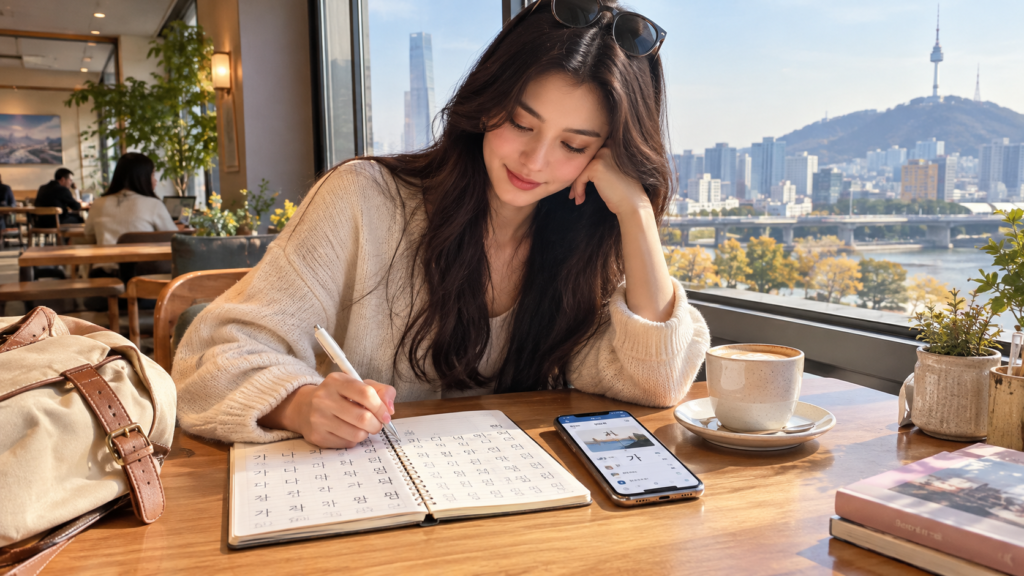
1. Learn Hangul and a Few Useful Korean Phrases
Learning Hangul, the Korean alphabet, is one of the most useful things you can do before traveling. You do not need to become fluent in the Korean language, but learning Hangul and a few key phrases can help you read signs, understand simple menus, and feel more comfortable. King Sejong created Hangul so commoners could read and learn more easily, and that history makes the alphabet especially interesting. I suggest using a Youtube video or another video guide to practice the sounds and letters while learning Korean.
2. Consider Asiana or Korean Airlines for a Long Flight
For a long journey to Korea, it is worth checking Asiana and Korean airlines when booking flights. Travelers coming from the United States, U.S. cities, or other American locations can compare options from US hubs such as San Francisco, Los Angeles, California, and Denver. United and Japan Airlines may also appear in your search, depending on your route. I personally recommend comparing flight times, connections, baggage rules, and prices rather than choosing an airline only because it is familiar. These are important considerations when using the 50 Best South Korea Travel Tips to plan your journey.
3. Read a Little About Korean History
A basic understanding of Korean history can change the way you experience the country. Korea has a deep connection between its country, history, culture, and modern culture, so even a little research can help you understand what you see. The Joseon dynasty, King Sejong, and the Korean War are useful starting points. I would also look through a Korean history section, watch Crash Course material, or find a suitable book through Amazon before your trip.
Monthly Round-Ups
If you follow travel information online, you may find monthly round-ups useful for discovering new ideas before traveling. A monthly round-up or Substack sign-up can bring useful updates directly to your inbox, but always check what personal data is collected. Before you Subscribe, read the Privacy Notice and understand whether interest-based advertising is part of the service.
4. Watch Korean Dramas, Movies, and K-Pop Music Videos
Watching Korean dramas, movies, and K-pop music videos before your trip is a fun way to become familiar with modern culture. You can see beautiful scenery, everyday quirks, popular shows, and places that may feel familiar when you arrive. For a nostalgia period, try Reply 1997, 1988, Taegugki, Boys Over Flowers, Secret Garden, My Love from the Star, She Was Pretty, 1987, or I Can Speak. Some movies also introduce the Korean War and other parts of the country’s history.
5. Decide Whether You Need a SIM Card
A reliable phone connection can make a huge difference when you are traveling around Korea. A SIM Card or eSIM can help with translating, checking KakaoMap, finding your way during a long bus ride, and staying online when you need directions. You can compare data plans before leaving, or purchase mobile data at the airport through an online service, kiosk, or QR code option. A US SIM card may work depending on your plan, but a foreign traveler should check international data and roaming charges before relying on it.
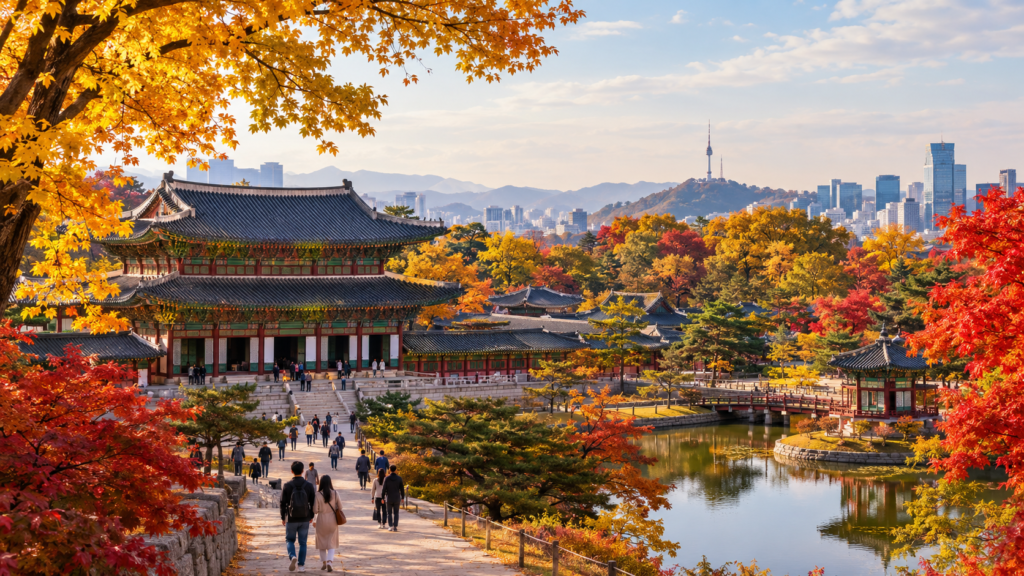
6. Choose the Best Time to Visit Korea
The Best Time to visit Korea depends heavily on the weather and the kind of experience you want. Fall and spring are especially beautiful, while early spring can bring cherry blossoms and autumn offers colorful foliage. Winter can be cold but enjoyable for travelers who like the season, while summer is often humid. I prefer planning seasonal travel around outdoor activities and then choosing a hotel room that gives me a comfortable place to rest after a long day. The 50 Best South Korea Travel Tips also make seasonal planning easier by reminding you to match your trip with the weather.
7. Understand Korean Money Before You Arrive
Korea uses the won, usually shown as KRW. It helps to recognize common notes such as 1,000 KRW, 5,000 KRW, 10,000 KRW, and 50,000 KRW, along with coins worth 500, 100, 50, and 10. Cards are widely useful, but carrying some cash is still practical for smaller purchases. You can use an ATM and a foreign card to get money when needed, while convenience stores can be useful during everyday travel. Understanding the currency before your trip makes prices much easier to read.
8. Is South Korea Expensive?
Korea can fit different budgets, so prices depend on your choices. A Korean meal may cost around 5,000 KRW, while some meals reach 20,000 KRW. Korean BBQ can cost 5,000-10,000 KRW or 10,000-15,000 KRW per person, while bar drinks may cost about 7,000 KRW and club fees 10-15,000 KRW. A hostel may cost 15,000-20,000 KRW per night, while a franchise hotel can be around 150,000 KRW. Street food may cost 1,000-5,000 KRW, entrance fees 1,000-3,000 KRW, and subway or local bus fares 1,000-2,000 KRW. The 50 Best South Korea Travel Tips also include practical budget planning.
Korea Itinerary Tips and Things to Do
Good itinerary tips begin with deciding what kind of travel experience you want. Korea offers plenty of things to do, from large cities to beautiful places, cultural attractions, nature, food, and quieter neighborhoods. When I plan travel, I prefer choosing a few main locations first and then building day trips around them instead of trying to cover the entire country.
9. Where Should You Go Depending on Your Travel Time?
Your destinations should match your travel duration. Korea is easier to enjoy when your itinerary leaves enough time to actually experience each location instead of spending most of the trip moving between places. Think about where to go, how far each destination is from the next, and how much time you want for sightseeing. This approach is one of the most useful ideas within the 50 Best South Korea Travel Tips.
10. 1 Week in Korea
For a 1 Week first visit, Seoul and Busan make a practical combination. You can experience a major city, try different things to do, and add a day trip or overnight trip if your schedule allows. A 7 days Korea itinerary can include Seoul first and then Busan, with Yongsan being useful when planning train travel.
11. 2 Weeks in Korea
With 2 Weeks, you have more room to explore Busan, Gwangju, Jeju, and the Korean countryside. You can add day trips to Suncheon, Yeosu, Namwon, and Boseong, then spend time on Jeju Island for a different island experience. If you want more freedom, you can rent a car in Jeju City, visit the beach, relax, and leave a few rest days in your travel itinerary rather than filling every hour.
12. 4 Weeks or 1 Month in Korea
With 4 Weeks or 1 Month, you can get a fuller idea of Korea without rushing. A longer vacation can combine Seoul, Busan, Gwangju, and Jeju, with each place receiving more time. You might use one week as a foundation and then continue flying or traveling between regions according to your itinerary guide. A one-month itinerary gives you much more flexibility.
13. Major Things to Do in Seoul
Seoul has enough major things to do to fill several days. Its subway system makes it easier to move between traditional culture, palaces, Bukchon Hanok Village, Jongmyo Shrine, and a temple stay. You can then switch to trendy things such as cafés, dramas, a K-pop show, museums, outdoor parks, and scenic views around Namsan Tower, Cheonggyecheon, Bukhansan, and the city walls.
For day tours, you can explore Pocheon Herb Island, Gapyeong, or Suwon, while history-focused travelers can learn more about the Korean War through a DMZ or JSA visit and the War Memorial Museum of Korea. I usually recommend choosing neighborhoods based on your interests because Seoul’s different areas can make the city feel completely different from one day to another. Exploring Seoul this way is an important part of the 50 Best South Korea Travel Tips.
14. Other Good Hubs to Base Yourself Around Korea
Sokcho and Seoraksan are useful choices for mountain scenery and hiking, while Gangwondo offers access to the countryside and outdoor spots. Jeonju and Jeollabukdo are good for a different regional experience, while Gwangju and Jeollanamdo can connect you with places such as Boseong Green Tea Fields, Suncheon Bay, Damyang Bamboo Forest, Yeosu, Gokseong Rose Festival, Namwon, and Jirisan.
Further south, you can consider Hwagae Cherry Blossom Festival, Busan, Tongyeong, Gyeongju, Ulsan, Jinhae Cherry Blossom Festival, Seogwipo, Jeju, and Jeju City. These travel hubs can make accommodation planning easier and reduce the need to change hotels every night.
15. Go Hiking
Hiking is an important part of Korea’s hiking culture, and the mountainous peninsula offers many beautiful hikes. You do not always need professional equipment, but comfortable sneakers or hiking boots are useful for longer trails. Daedunsan, Jeonju, Jirisan, Baemsagol Course, Namwon, Wolchulsan, Mokpo, Jogyesan, and Suncheon all offer different experiences for hiking travel.
I especially like leaving some flexibility in a hiking day because weather can change quickly in mountain areas. Even travelers who are not serious hikers can choose a shorter trail and enjoy the scenery without turning the whole trip into an athletic challenge.
16. Check the Big Festivals During Your Visit
Festivals can add a completely different feeling to a Korea trip. Large events and smaller towns often have annual events connected to local history, food, traditions, and cultural events. Namwon’s Chunhyang Festival, held in May, is one example and includes a beauty pageant and Gwanghallu performances.
Before visiting, check the dates because festivals are often tied to specific seasons. Planning around an event can also give you a reason to visit a smaller town instead of staying only in the country’s largest cities.
Stay cool and hydrated because dehydrating conditions can make dry skin feel worse. Drink enough water and include water-rich foods such as cucumbers and oranges to support hydration. Simple habits like these can complement topical skincare and help maintain moisture throughout hot summer days, especially outdoors.
17. Is Korean Cafe Culture Really a Thing?
Yes, cafe culture is a noticeable part of everyday life in Korea. Seoul has everything from comfortable cafes with wifi for digital nomads to quirky cafes designed around unusual themes. Pink Vending Cafe, Zapangi, Stylenanda Pink Pool Cafes, Dreamy Camera Cafe, Enrogel Teapot Cafe, and Grand Garden are examples worth researching, while Mokpo offers its own cafe experiences.
I recommend visiting at least one cafe simply to experience the atmosphere rather than treating it as only a place to get coffee. Cafes can be a relaxing break between neighborhoods, shopping, sightseeing, and other travel plans.
Where to Stay in Korea and Tour Options
Korea has many accommodation choices, including hotels, hostels, guesthouses, love motels, and Airbnb. Your choice depends on your budget, privacy needs, location, and the kind of travel experience you want. Tour options are also available if you prefer organized activities instead of planning every detail yourself.
18. Is a Love Motel What I Think It Is?
A love motel is a type of hotel commonly associated with couples and private time, but travelers may also encounter them simply as an accommodation option. Privacy is usually an important part of the concept, and some properties offer hourly rental as well as overnight stays. The quality can range from modern and comfortable to much grungier.
If you are comparing accommodation, check the hotel’s photos, location, reviews, and hotel prices before booking. A hostel may be better for social travel, while a love motel can provide more privacy depending on the property.
19. What Is Hostel Culture Like in Korea?
Hostel culture in Korea can be a practical option for a foreign traveler, especially in popular towns and tourist areas. Some hostels offer rooms around $20/night, although prices change by location and season. A shared room can help keep costs down, and shared bathroom facilities usually include a shower and basic amenities.
In places such as Hyeopjae, I have found that simple accommodation can work well when most of the day is spent outdoors. A window that lets you air out the room can also be useful after returning from a long day of travel.
20. Can You Get an Airbnb in Korea?
Airbnb options are available in different parts of Korea, including Seoul, Gangnam, Jeju, and Ulsan. You may find anything from a small studio to a larger apartment or home. Before choosing one, check the exact location, transportation access, house rules, and the type of accommodation being offered.
If you want a more residential experience, an Airbnb can feel different from a hotel. Some travelers may also come across individual options such as Romantopia, but always check current availability and property details before making a reservation.
21. How Are the Hotels?
Hotels in Korea range from affordable properties to high-end accommodation, and the price gap can be significant. Hostels and guesthouses may cost much less, while hotels in bigger cities can become expensive during busy periods. A Holiday Inn or a hotel in Gwangju may have very different pricing from a premium property that costs $300+.
When comparing accommodation, look beyond the nightly price. Location, transport access, room size, cancellation rules, and distance from the attractions you plan to visit can have a major effect on the overall value.
22. Should You Take a Tour or DIY?
Both a tour and DIY travel can work well in Korea. Solo traveling gives you freedom to change your itinerary, while organized tour packages can make difficult logistics easier. This is especially useful for certain hikes or places where translating information, transportation, or timing may be difficult.
For Seoul and bigger cities, DIY travel is often manageable with good planning. For more complicated destinations such as Naejangsan, a tour can save time and reduce the amount of travel planning you need to do.
23. What Are the Best Websites for Tours?
Tour websites can make it easier to compare activities before leaving home. Trazy and Klook offer different tour packages in Korea, while travelers may also find options connected with Thailand and other parts of Asia. For Jeju, Indieway and other local tour providers can also be worth comparing.
I recommend checking what each package includes rather than comparing only the headline price. Look at transportation, entrance fees, guide services, cancellation rules, and the amount of free time before choosing among tours.
Korea Transportation Guide
Korea has an extensive transportation system that includes public transport, trains, buses, subway services, taxis, and domestic flights. Once you understand how these options connect, moving between cities becomes much less stressful. I usually decide the major transportation routes before finalizing the rest of the travel schedule. Transportation planning is one of the core subjects covered by the 50 Best South Korea Travel Tips.
24. Do Not Rely Only on Google Maps
Google Maps may not provide the same level of Korean information that you expect in other countries. Korea has its own mapping services, including KakaoMap and Naver Maps, which can be more useful for local navigation. Some travel apps also offer an English interface, making them easier for visitors.
Before your trip, download the maps you expect to use and check map updates. Having more than one navigation option is helpful when outside companies or Google services do not provide the information you need.
25. Using KTX Trains
KTX is one of the fastest train options for traveling around Korea. From Seoul, you may use Yongsan Station or Seoul Station depending on your route. For example, travel between Seoul and Suncheon Station can take several hours, with journeys around 2 1/2 hours or 4 1/2 hours depending on the train and route.
When checking train times, you may see options for rail tickets, ticket reservation, Normal Type, Direct, All, Type of Train, and Inquiry. The system can be used in English, and online booking may require details such as a US credit card, Passport Number, ID, and ticket information. Check the current let’skorail system before travel because schedules and booking requirements can change.
26. Using Intercity Buses
Intercity buses are another practical way to travel around Korea, particularly when a train route does not fit your itinerary. In Seoul, the Express Bus Terminal is an important transportation point, and you may find nearby places such as Shinsegae Department Store. Yongsan and other areas also connect with different transportation options.
Kobus and Bustago can help travelers check bus routes, terminals, tickets, and schedules. If you need a refund, check the ticket rules before purchasing because refund conditions can vary.
27. Tips for Booking Domestic Flights
When booking flights within Korea, compare the airports and routes carefully. Seoul has Incheon and Gimpo, while Busan uses Gimhae and Jeju has Jeju International Airport. Expedia and Kiwi can help with comparisons, while Korean airlines may offer direct booking options.
Korean Air, Asiana Airlines, Air Busan, Eastar Jet, Jeju Air, Jin Air, and T’Way Air are among the names travelers may encounter when searching for domestic flights. Check the luggage policy, price, flight duration, and whether the fare is budget-friendly before booking.
28. Using Seoul's Subway
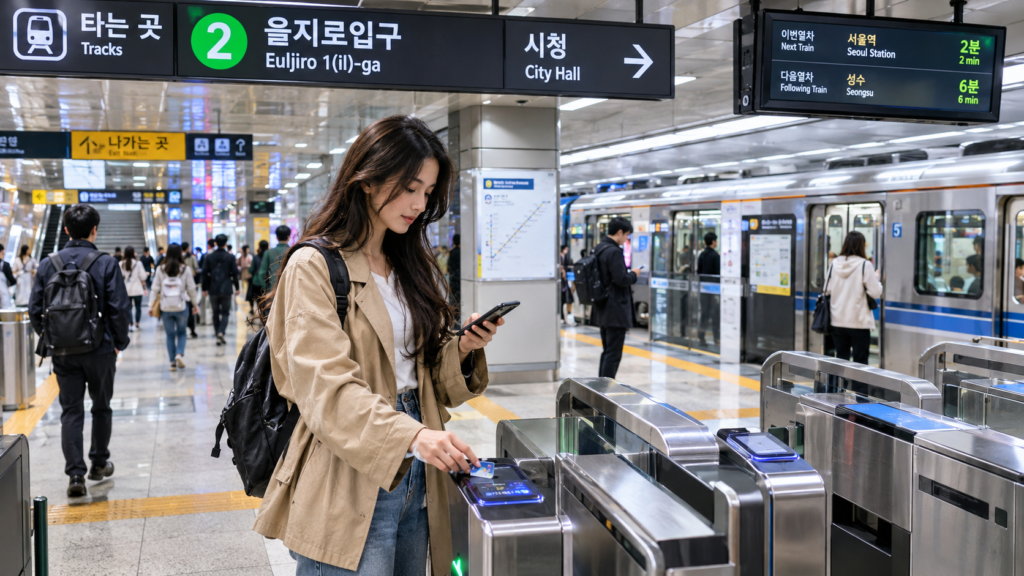
The Seoul subway is clean, cheap, and one of the easiest ways to move around the city. A T-Money card can make everyday travel simpler, and you can usually purchase or recharge one through a convenience store or suitable machine. English information is available in many parts of the system, which helps foreign travelers.
The subway can also connect with local buses, so learning basic route planning is useful. A Subway Korea app can help you check routes and public transportation options before leaving your hotel.
29. Using Local Taxis and Buses
Local taxis and buses are useful when the subway does not reach your destination conveniently. The local bus system connects different cities, neighborhoods, train stations, and bus terminals. Taxi drivers may need a Korean address or Korean name, so keeping the destination written clearly can save time.
Taxi fare varies by location and conditions, but a fare such as 2,800 KRW or about $2.80 USD may be used as a basic example for understanding pricing. In the countryside, local transportation can be less frequent, so check schedules before leaving your accommodation.
30. So... What About the Dog Thing?
Dog soup is a subject that can come up when discussing Korean culture, food history, and cultural differences. Its popularity has changed over generations, and attitudes are not the same everywhere. Travelers may hear different opinions from people in the United States, Korea, bigger cities, and the countryside, so it is better to understand the topic through its historical and cultural context.
You may also encounter discussions about farms, Korean BBQ, lamb skewers, and restaurants connected with older food traditions. The term 보신탕 restaurants may appear in older travel information, but travelers should check current information rather than assuming that past descriptions represent today’s food culture.
31. What Food Should I Try While I’m in Korea?
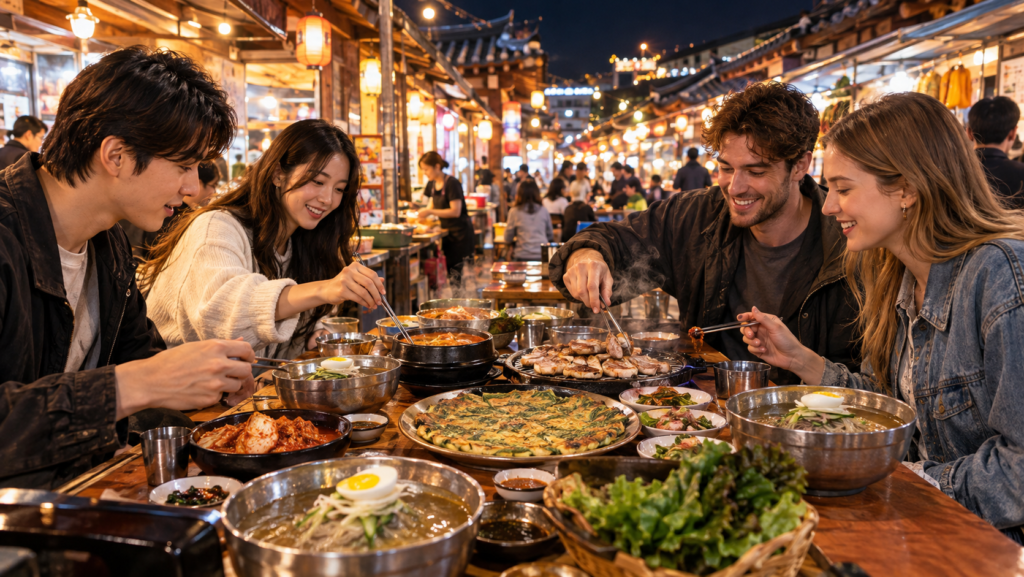
Korean food is one of my favorite cuisines, along with Vietnamese and Italian food, and there is so much to try during a trip. Some foods I would put high on the list are kimchi, naengmyun during summer, gamjatang in fall and winter, a Buddhist temple meal for vegetarians, Korean BBQ, Korean street food, and pajeon, especially after a good hike. One personal tip is that I often find Korean food outside Seoul even more enjoyable than what I have tried in the capital.
If you want a more hands-on experience, a Korean cooking class or food tour can be a fun way to understand the food culture. At Korean BBQ restaurants, samgyupsal is a popular choice. You can wrap the meat in a leaf, add some ssamjang sauce, and enjoy it as a simple and satisfying meal.
32. How Vegetarian and Vegan-Friendly Is Korea?
Korea can be challenging for vegetarian and vegan travelers because traditional Korean food often relies heavily on meat or fish. Seoul has more choices than many other places, but outside the larger cities, finding suitable restaurants can take more planning.
I recommend checking restaurant menus carefully before you go, especially if you have strict dietary requirements. Having a few Korean food words ready can also make ordering easier and help you explain what you cannot eat.
33. What Unique Drinks Should You Try?
Korea has many interesting drinks worth trying, even if you do not normally drink alcohol. Soju is one of the country’s best-known alcoholic drinks, and you can find different versions such as yogurt soju and fruit soju. Makgeolli is another traditional option, especially when paired with pajeon, and it is a sweet rice wine usually served in small bowls.
There are also plenty of non-alcoholic choices. Cider is a popular soda that you can find in restaurants and grocery stores, while omijacha is a flavorful tea with a mixture of tart and sweet tastes. If you visit Jeju, look for Hallabong drinks made with the island’s well-known orange fruit.
34. What Should You Know About Korean Takeout Culture?
Takeout and food delivery are a major part of everyday life in Korea. In bigger cities, you can order food to surprisingly specific locations, making it easy to enjoy meals even when you are not staying inside a home or building. Fried chicken, pizza, pig’s feet, and many other Korean dishes are popular choices because they travel well.
If you can read Hangul, using a Korean food delivery app becomes much easier. Even if you cannot, you can still enjoy Korea’s takeout culture by asking someone for help or choosing restaurants with easier ordering systems.
Safety and Sanitary Concerns
Stay cool and hydrated because dehydrating conditions can make dry skin feel worse. Drink enough water and include water-rich foods such as cucumbers and oranges to support hydration. Simple habits like these can complement topical skincare and help maintain moisture throughout hot summer days, especially outdoors.
35. Is It Safe to Travel to South Korea Now?
Yes, South Korea is generally considered a safe place for travelers. As with any international trip, it is still sensible to pay attention to your surroundings, keep your belongings secure, and stay aware of local conditions during your visit.
I would not let general safety concerns stop you from exploring the country. Instead, prepare normally, follow practical travel habits, and enjoy your time while remaining aware of what is happening around you.
36. What About North Korea?
The North Korean situation can sound intimidating when you first start researching South Korea, especially because international media often focuses heavily on the potential threat. However, visitors traveling around South Korea generally continue with their normal plans and daily activities.
If you are wondering about visiting North Korea during the same trip, that is a completely different travel question and requires much more careful consideration. For a regular South Korea vacation, focus your preparation on the places you actually plan to visit.
37. How Safe Is Public Transportation?
Public transportation in Korea is one of the things that can make traveling around the country much easier. I have found the subway, buses, and trains comfortable for getting around, and they are commonly used by both locals and visitors.
Whether you are traveling through Seoul or taking transportation between different cities, public transit can be a practical part of your itinerary. Staying aware of your belongings and surroundings is still a good habit, just as it is anywhere else.
38. How Safe Is Korea for a Solo Female Traveler?
Korea can be a very comfortable destination for a solo female traveler, and I have personally found it to be one of the safer places to travel. Still, being in a safe country does not mean you should ignore basic precautions.
Keep an eye on your drink, avoid becoming too intoxicated when you are alone, and trust your instincts if someone makes you uncomfortable. If you ever feel uneasy, approaching another woman and quietly explaining the situation can be a simple way to find support.
39. How Clean Is Korea Overall?
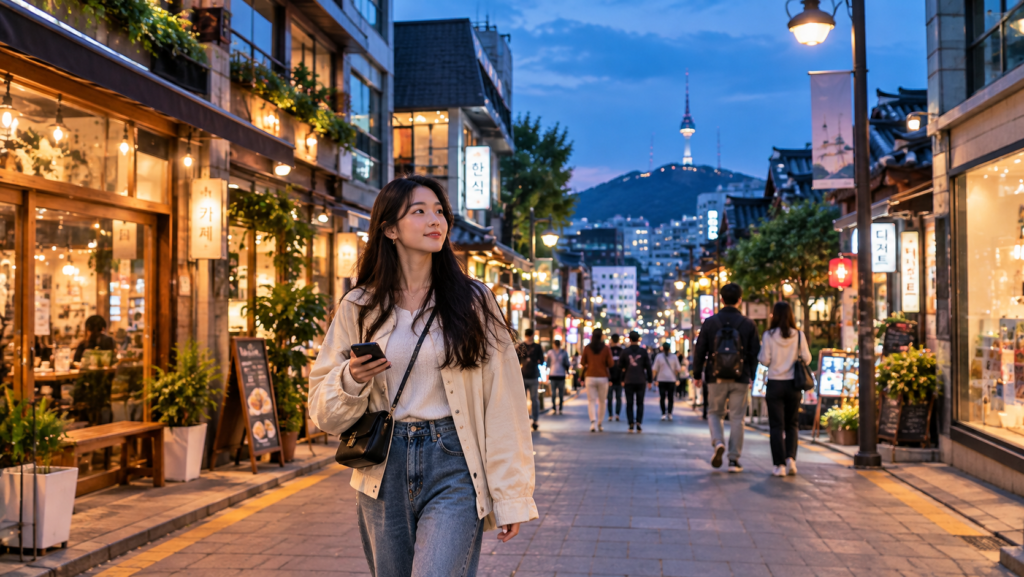
Overall, Korea is a clean country, although you will naturally find some areas that are less tidy than others. This is normal for a highly populated and industrialized country, especially in busy urban areas.
Instead of expecting every street or neighborhood to look perfect, simply approach Korea as you would any other major destination. Most of the places you visit should feel comfortable and well maintained.
40. Will I Have to Use a Squat Toilet?
You may come across squat toilets in Korea, but you should not assume that you will have to use them everywhere. Regular toilets are common, particularly in the major places most travelers visit.
You are more likely to encounter squat toilets in some rural areas, hiking trails, or campgrounds. Modern and higher-end buildings can even have toilet seats with bidet functions, so your bathroom experience can vary greatly depending on where you are.
Little Things to Know About Korean Culture
Some parts of Korean culture may surprise first-time visitors because everyday social habits can be different from what you are used to at home. These observations are based on personal experiences and general trends, so they should not be treated as rules for every Korean person.
41. Be Prepared to Get Stared At
You may notice people looking at you, especially outside Seoul and in places where there are fewer foreign visitors. For some travelers this can feel uncomfortable at first, but it is often simply curiosity about someone who looks or sounds different.
You may even hear the Korean word “wayguk,” which is used to refer to a foreigner. Understanding that this can happen before your trip can help you avoid taking every glance personally.
42. Be Ready for Some Typical Questions
Foreign visitors may sometimes experience a series of personal questions during conversations with Korean people. You might be asked where you are from, whether you are Korean, whether you speak Korean, or whether you are married. These questions can feel surprisingly direct if you come from a culture where such topics are usually private.
Couple culture is also very visible in Korea. You may notice couples spending time together in coordinated outfits or matching styles. If you are trying to find your way around a popular area, following the flow of people can sometimes lead you toward the places everyone is visiting.
43. Are Koreans Actually Racist?
It would be unfair to describe Koreans as a whole as racist. Most foreign travelers will meet ordinary people who are polite, helpful, and simply curious about visitors from other countries. Like anywhere else, however, individual experiences can vary.
There may occasionally be situations where foreigners feel unwelcome, and some attitudes can be more noticeable among certain older generations. The experience of xenophobia during COVID also affected perceptions and interactions, but that does not mean it will define your experience as a short-term visitor.
44. What Should You Know About the Introverted Nature of Many Koreans?
Many Koreans tend to keep to themselves in public, but that does not mean they are unfriendly. In my experience, people can be incredibly kind once you ask for help, and complete strangers may even take the time to guide you toward your destination.
At the same time, you should not always expect strangers to immediately become involved when you have a problem. Understanding this quieter social style can help you interpret everyday interactions without assuming that people are being cold or uncaring.
45. What Do Ahjumma and Ahjussi Mean?
Technically, ahjumma generally refers to a married woman, while ahjussi refers to a married man. However, these words have cultural meanings that go beyond a simple translation, so using them for someone who does not fit the expected age or social context can sometimes be awkward.
Ahjummas are often associated with middle-aged mothers, comfortable clothing, cropped hairstyles, and a strong personality. Ahjussis generally refer to middle-aged men and can be associated with working, driving taxis, drinking soju, and everyday neighborhood life.
46. Do Koreans Really Get Drunk All the Time?
No, although Korea has a strong drinking culture, it would be inaccurate to think that everyone is constantly drinking. Alcohol is often connected with socializing, meals, celebrations, and gatherings rather than simply drinking for its own sake.
One memorable part of Korean social life can be seeing people singing together at norebang after drinking. These lively interactions can show a completely different side of social culture than what you may see during the quieter parts of the day.
47. What Should You Know About Animal Treatment in Korea?
Animal treatment in Korea has been improving, but travelers who care deeply about animals may still encounter things that are difficult to see, especially outside major cities. You may notice larger dogs kept outside or see situations involving stray animals that feel unfamiliar.
At the same time, many groups and individuals are working to help animals. Some communities have rescue-focused spaces, including cat cafes that support stray cats, showing that attitudes toward animal welfare are continuing to change.
48. What Should You Know About the Suicide Culture?
Suicide is an unfortunate and sensitive part of Korean society, but it is not something most short-term visitors are likely to encounter directly during an ordinary trip. It is more relevant as a broader social issue than as a normal part of the tourist experience.
It is worth approaching this topic respectfully rather than making assumptions about Korean culture from statistics or individual stories. Visitors should remember that a country’s difficult social issues do not represent every person or every travel experience.
What to Buy for Souvenirs
Korea offers plenty of interesting souvenirs, from beauty products and clothing to snacks, drinks, cute character goods, and traditional-inspired gifts. Shopping can become part of the travel experience because many items are both useful and strongly connected to Korean culture.
49. What Is the Deal with Korean Skincare Products?
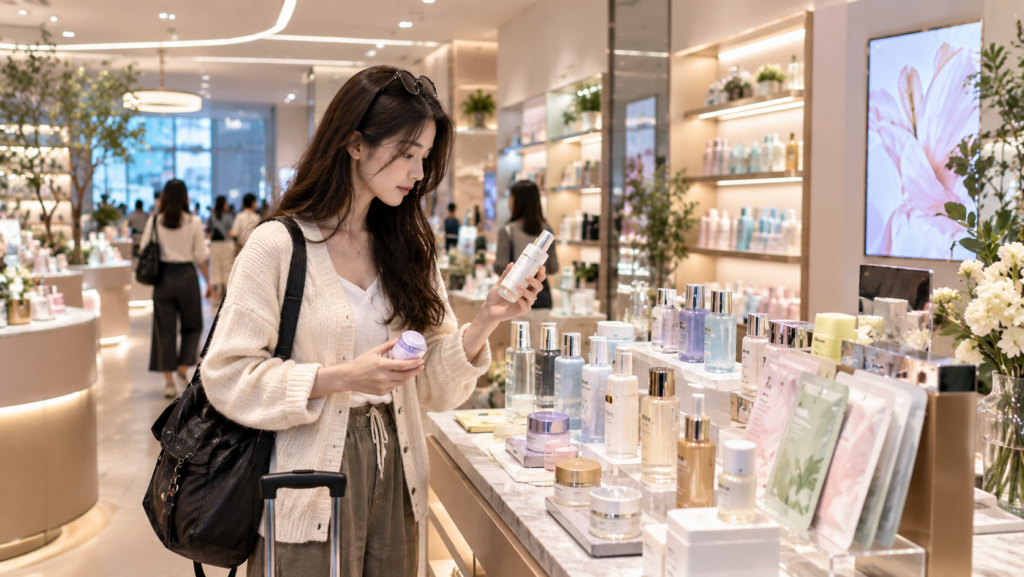
Korean skincare is one of the easiest souvenir categories to explore because there are so many brands and product types. Popular names include Innisfree, Etude House, Nature Republic, Skin Food, Tony Moly, The Face Shop, Dr. Jart, Peripera, Banila Co., and Missha. Olive Young is also a useful place to explore a wide selection of Korean beauty products.
Before buying skincare as a gift, think about the person’s skin type and the type of product they normally use. If you want something simple, face masks are an easy choice because they are lightweight, affordable, and available in many different varieties.
50. What About Clothes and Accessories?
Korea has many clothing stores, with Myeongdong and Dongdaemun being two well-known shopping areas in Seoul. One thing to remember is that Korean clothing can often use free-size designs, so the fit may not work for everyone, especially if you need a specific size.
For something more playful, you can look for clothing with Hangul or humorous English phrases. A modern hanbok is another interesting option because it takes inspiration from traditional Korean clothing while using details that can be worn more casually in everyday life.
Here I would like to add 5 more helpful points while visiting south korea.
1. What Food and Drinks Can You Buy for Home?
Food and drinks make practical souvenirs because they are easy to share with family and friends. You can look for Korean snacks at convenience stores and grocery stores, along with specialty teas and other packaged products.
Some specific items worth looking for include Pepero and brown rice green tea packets. Soju bottles are another recognizable Korean purchase, although you should consider airline and customs rules before packing drinks for your journey home.
2. What Other Unique Souvenirs Should You Know About?
Korea has many cute and traditional-inspired souvenirs beyond the usual tourist products. Wedding ducks, stationery, pens, and character goods can make fun gifts, while Naver Friends and Kakao Friends stores are useful places to find recognizable Korean mascots.
If your friends enjoy Korean culture, K-pop-related products can also be meaningful gifts. Physical CDs from favorite groups or singers, Korean-place coloring books, and other cute items can give your souvenirs a stronger connection to the country.
3. Koreans Really Are Lovely and Kind
Overall, many of the Korean people you meet can be extremely kind, polite, and helpful. Even when cultural differences create a frustrating moment, I have often found that people genuinely try to help when they understand what you need.
No country is perfect, and every traveler will have different experiences. However, positive interactions with locals can become some of the most memorable parts of a long stay or first visit to Korea.
4. Ultimately, Traveling Korea Is What You Make of It
The best way to experience Korea is to take the country as it is rather than arriving with an unrealistic picture created by dramas, K-pop, or romantic expectations. If you arrive expecting a perfect fictional experience, you may leave disappointed because real travel is always more complicated.
My best advice is to experience Korea on its own terms. It has its own culture, habits, food, neighborhoods, landscapes, and everyday rhythm, and those differences are part of what makes it interesting. Come prepared, stay open-minded, and give yourself time to experience the country beyond the typical tourist image.
Final Notes on Traveling Korea
After spending time learning about Korea, remember that the people and your own expectations can shape the trip just as much as the itinerary. Going with an open mind will help you enjoy the country instead of constantly comparing it with somewhere else.
Stay connected with Cyiana for more fashion inspiration, beauty ideas, skincare tips, makeup looks, and the latest trends. If you enjoyed this article, follow us on YouTube for helpful videos, TikTok for quick style and beauty inspiration, and Reddit for conversations and community discussions. You can also explore more fashion trends, outfit ideas, seasonal styling guides, beauty advice, and product reviews across Cyiana. Whether you are updating your wardrobe, discovering a new beauty routine, or simply looking for fresh inspiration, our social channels make it easy to keep up with new ideas and helpful content from Cyiana wherever you enjoy browsing.