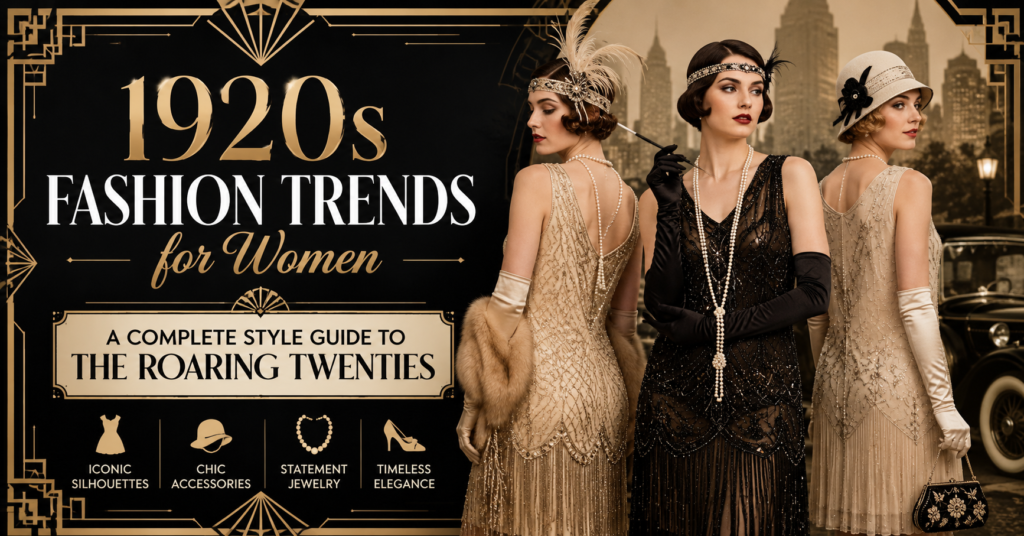
The 1920s fashion trends for women were a turning point in women’s style. Costumes changed within the last decade as they became smaller, lighter, and more expressive. Women began to limit tight corsets and heavy Victorian styles. Instead, they embraced comfort, movement, and individuality.
This period is regularly known as the “Roaring 1920s” because of its energy, jazz bands, and social changes. Fashion transformed as part of that transformation. Women now dressed differently, not most effectively. They showed their freedom.
We discover the important style trends that defined girls’ fashion in the 1920s and why this decade still evokes current style today.
The Rise of Flapper Fashion
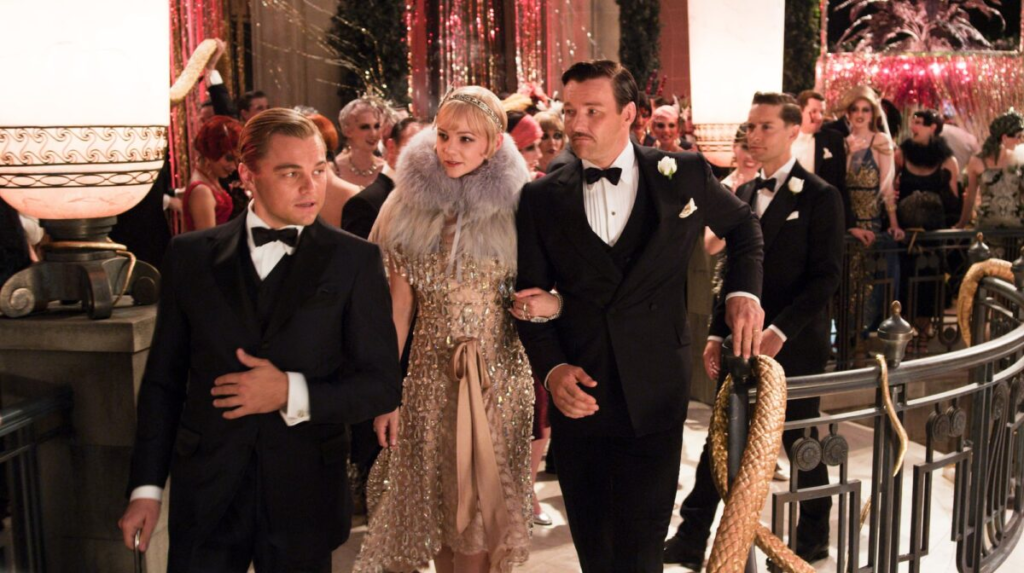
The flapper style is the most iconic look of the twenties. A “flapper” rejected the difficult traditional norms for younger women. Their clothing shows independence and courage.
The flapper dress remained unfastened and straight, not tight at the waist. They allowed women to move freely, especially when dancing to jazz. The costumes were largely knee-length, which is sometimes disturbing.
Fringes, beads, sequins, and embroidery became common. This data softly stuck throughout the movement, making the dance more dramatic and fashionable. Flapper fashion has become more than just a costume. Lifestyle gets agency.
The women additionally paired their dresses with long pearl necklaces, headbands, and feather accessories. This created a glamorous yet rebellious look that also impresses set up birthday parties these days.
Drop-Waist Dresses and Relaxed Silhouettes
One of the most drastic adaptations of twenties fashion was the drop-waist silhouette. Before this decade, women’s clothing emphasized a small waist using corsets. In the nineteen-twenties, that idea changed completely.
The drop waist kept the skirt less at the hips than the plunging waistline. This immediately created a boyish form, which then turned into what was considered modern and fashionable.
The goal was not to highlight the curves but to create a smooth, neat frame line. The dresses have often been sleeveless or with short sleeves, and that makes them extra flattering as well.
Silk, chiffon, and soft cotton fabrics were often used. These substances, which gave women extra movement and a proper active lifestyle, were beginning to be pursued with the help of girls.
The Famous Bob Haircut Revolution
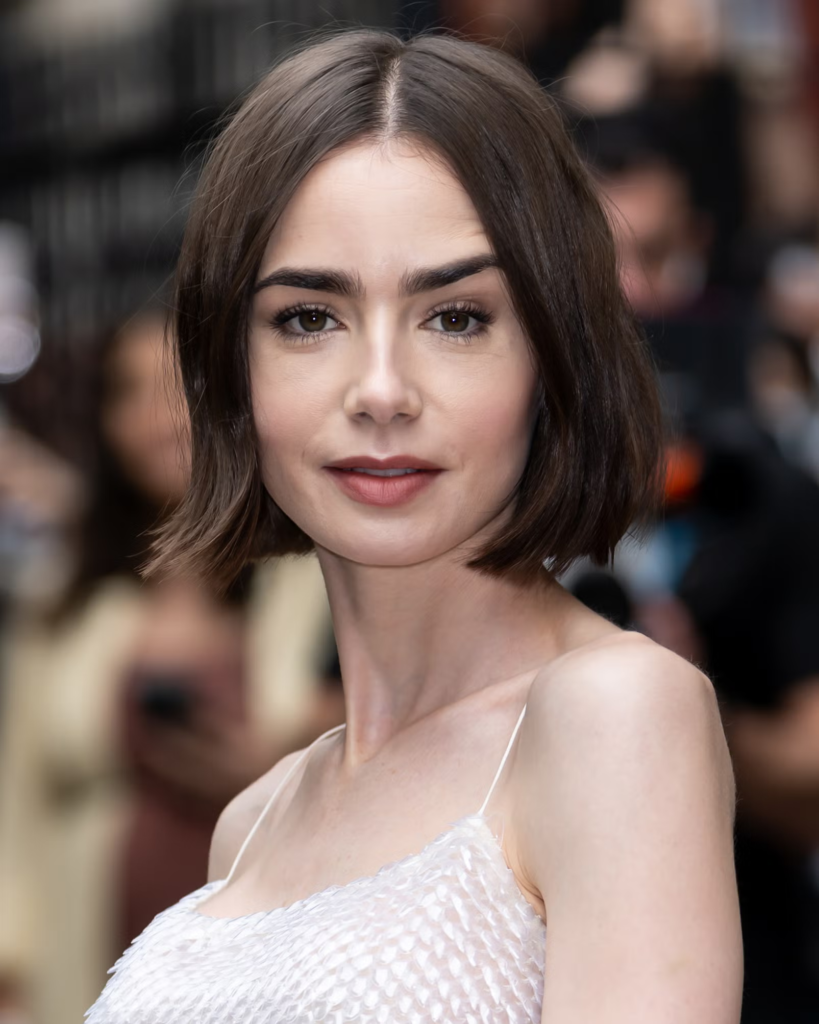
Throughout the 1920s, in fashion trends for women, the bob cut became one of the simplest symbols of women’s independence. Cutting hair short became an ambitious trend that surprised older generations.
Bob has generally been easygoing, straightforward, and blunt. Some of the girls started the waves with the finger wave method to create a gentle pattern within the hair.
This hairstyle is discreet and fashionable. This saved time and paired runners and social dancers with their current lifestyles.
Bob Klip also represented the Rebels. It was found that women were ready to dismantle traditional beauty standards and create their own private identity.
However, Bob versions are popular in salons around the area today.
Cloche Hats and Head Accessories
Hats became an important part of women’s fashion by the 1920s. The most popular style is the cloche hat. The French “cloche” style clock, and these were carefully shaped around the top to look like an inverted clock.
Cloche hats are usually worn low on the inside of the forehead. They often raised eyebrows and gave a mysterious and magnificent appearance.
These hats are decorated with stripes, plants, and geometric styles evoked by the Art Deco design.
Women also wore headscarves, especially to be worn at night. These headbands are regularly decorated with pearls, feathers,s and gems that add sparkle to cheaper dresses.
Accessories were not the easiest thing to decorate. They put an end to all fashion team spirit within the nineteen-twenties.
Luxury Fabrics and Art Deco Influence
The 1920s were gently stimulated through the Art Deco movement of the twenties. This creative fashion focused on outrageous geometric shapes, symmetries, and precious elements.
Fashion designers used patterns for costumes and accessories. The clothes often had zigzag styles, stems, and original embroidery.
Popular fabrics include silk, velvet, satin, and chiffon. These materials gave the fabric a soft and stylish weave.
Although the silhouettes were at hand, the data proved rich and fascinating. Pearls, sequins, and metallic threads flared the luxurious indulgence.
This blend of simplicity and ornamentation defined the style of jewelry of the nineteenth and twentieth centuries.
Makeup Trends of the 1920s: Fashion trends for women
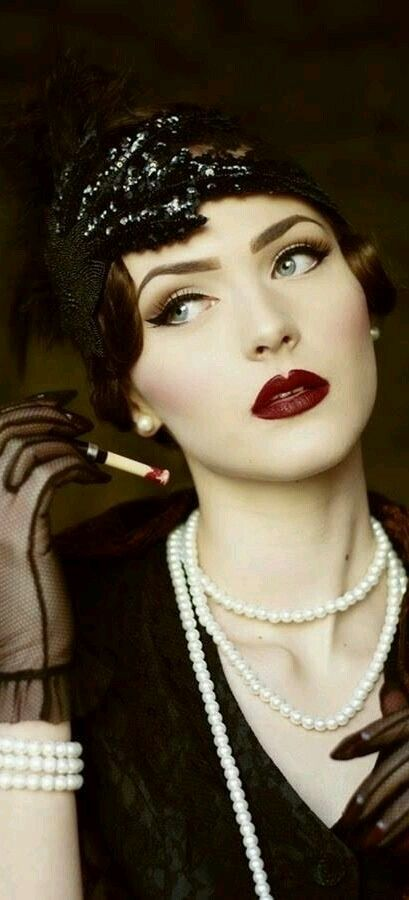
With some factors in the twenties, makeup became more common in everyday life. Before this decade, the composition of the sports activity sector was considered almost irrelevant.
Things changed completely in the 1920s.
Women began to sport ambitious lip colors, especially deep pinks and black roses. The eyes were focused on the use of kohl and eyeliner for a dramatic effect.
Eyebrows were generally thin and arched. The skin was protected, and the use of powders was muted, which proves the first-class fashion of the day.
Lightly brought down to a smooth glow; the blush changed.
Hollywood actors evoke a lot of rhetorical quality. Movie stars became fashion icons, and women tried to copy their glamorous looks.
Influence of Jazz Culture and Nightlife
Jazz had a big influence on the style of the 1920s. Dance clubs and jazz clubs became popular social venues.
Women craved clothes that allowed them to jump freely. This is one of the things that made clothes lighter and looser.
Fringe costumes were especially well-received because they moved beautifully with the dance steps.
The evening became more appealing. For the night’s activities, the women wore colorful dresses, sparkly additions,s and ambitious makeup.
Fashion doesn’t exist forever. It has become part of the fun and nightlife.
Everyday Wear vs Evening Glamour
In the nineteenth and twentieth centuries, there was a clear difference in style between daywear and eveningwear.
During the day, women wore simpler clothes made of cotton or woolen goods. These clothes were practical and comfortable for work or social outings.
The night setting should be very special. It was used for occasions, dances, es and social activities. The dresses became even more embellished with beads, sequins, and sparkling fabrics.
This difference created a new concept in fashion: dressing for the occasion.
In addition, it encouraged girls to own more styles of clothing than before.
Footwear Trends in the 1920s
In the 1920s, shoes changed in style once again. High heels became more common, especially for evening wear.
Mary Jane shoes with straps were very popular. They were smart and discreet for dancing.
T-strap heels also became the signature style of the decade. These shoes had a strap that formed a “T” shape across the entire foot.
Shoes were usually leather-based or satin work, decorated with small buckles or embroidery.
During this period, comfort began to eliminate the importance distributed in footwear.
Jewelry and Accessories Style
In the late 1920s, earrings became quirky yet stylish. The long pearl necklaces were especially famous and were often worn in two layers.
Bracelets, brooches, and drop jewelry were common. It is recommended to place layouts through geometric Art Deco shapes.
Women also carried small purses to “absorb luggage”. These were light and paired with pajamas.
It became a major area for assistants to complete the general appearance. Easy to get dressed and look fashionable is used with appropriate rings.
How 1920s Fashion Trends for Women Influence Today.
The fashion of the 1920s does influence the modern dress tradition. Many designers are coming back with flapper fashion dresses for activities and weddings.
- The modern summer dress has a drop-waisted silhouette. Fringe details are familiar in competition dresses.
- The Bob Reduce remains an immortal hairstyle that never goes out of style.
- Like sharp lips and fun, makeup developments are also stimulated during this time.
- Fashion designers often use twenties themes in runway shows and vintage collections.
- This shows that Brøland’s 1920s, despite modern style, had a great influence on the world.
FAQs About 1920s fashion trends for women
Q.1 What defines twenties fashion for girls?
For women, twenties fashion is expressed through relaxed silhouettes, short dresses, drop waists, and ambitious accessories. Approximately, it is composed of comfort, freedom, and modern style.
Q.2 Why did the famous flap style change in the 1920s?
Flapper fashion has been called a symbol of independence. Women wanted dancing, nightlife,e and clothes at a clean pace.
Q. 3. What about costumes?
The waistline of the drop-waist dress is reduced to the hips compared to the natural waist. It paperwork the on the spot, custom silhouette general of 19-Tnties.
Q.4. What hairstyles have become popular in the twenties?
Bob became the most famous hairstyle. Turning quickly and stylishly, it represented a harmony of freedom and modernity for girls.
Q.5 What accessories were common in fashion in the 1920s
Beaded necklaces, cloche hats, feather headbands, and beaded handbags were common accessories that completed the Twenties style look.
Q.6 How has jazz influenced fashion?
The jazz band’s fashion was inspired to encourage the wearing of dance and wrestling costumes. Clothes became shorter and more curved to suit the active dance style.
Q.7 But is the twenties style recognized these days?
Well, 1920s fashion trends for women require top designers anyway. However, these days fashion consists of flapper-style outfits, fringe hair, and bob hairstyles.
1920s fashion trends for women
The 1920s fashion trends for women were bigger than just a style era. culminated in cultural adaptations. Women moved away from restrictions and embraced the freedom of dress and lifestyle.
Every fashion, from flapper dresses to bob cuts, reflected freedom and the alternative. The decade created styles that could be adapted these days, after all.
100 years later, the twentieth-century style is still inspiring designers and style fans around the world.