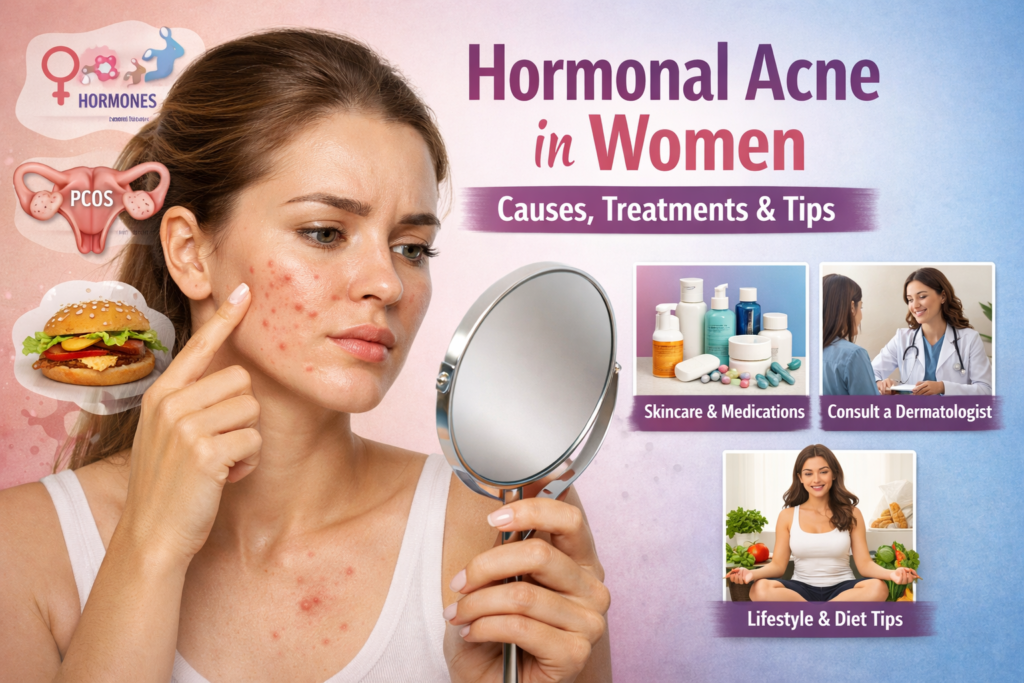
Hormonal acne in women is a prevalent issue affecting women of all ages. From teenagers experiencing their first breakouts to women in their 30s and 40s dealing with cyclical acne, this condition can severely impact self esteem and confidence. In 2026, amid increased environmental stressors, dietary shifts, and hormonal changes, the challenges of managing hormonal acne are as relevant as ever, especially in the USA and UK.
If you’re a woman in the USA or UK, you may find that hormonal acne doesn’t just affect your teenage years but can continue into adulthood. This guide will explore the causes, effective treatments, and actionable tips for managing hormonal acne in women, giving you the tools to take control of your skin health.
What You’ll Learn:
- Detailed causes of hormonal acne.
- Treatment trends and preferences in the USA and UK.
- A step by step guide for managing hormonal acne effectively.
- Expert advice and common mistakes to avoid.
- Product recommendations tailored to every budget.
- Seasonal skincare strategies to keep your skin healthy year round.
Understanding Hormonal Acne in Women
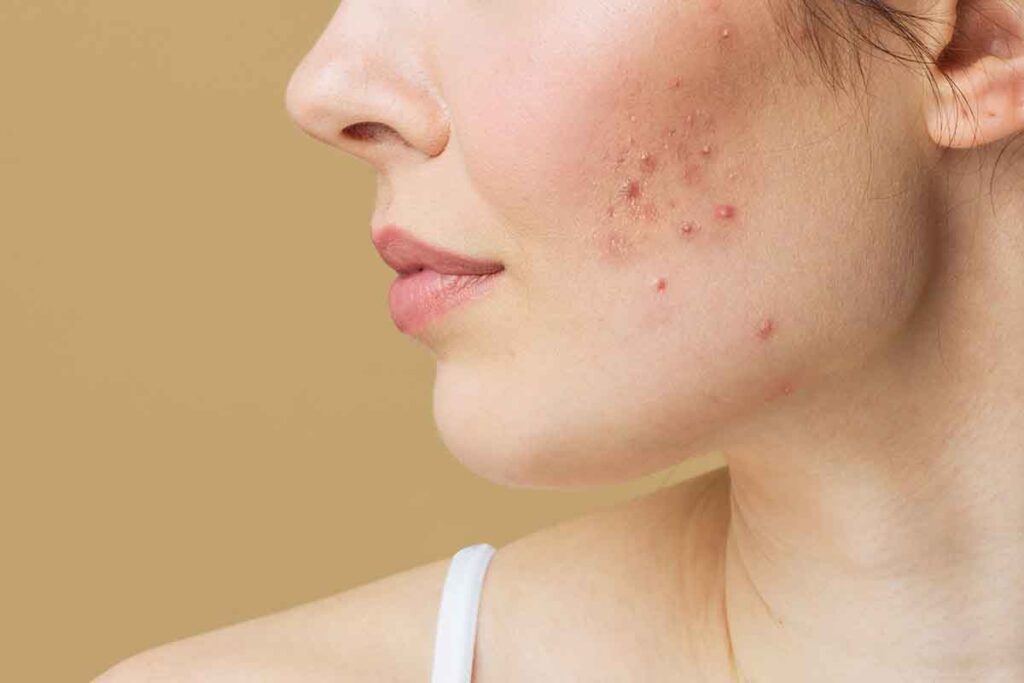
Hormonal acne occurs when hormonal imbalances increase sebum (skin oil) production, clogging pores and triggering inflammation. This type of acne is most common among women due to fluctuations in hormones caused by puberty, menstruation, pregnancy, and menopause. Typically, hormonal acne in women manifests as cystic pimples or whiteheads along the jawline, chin, neck, and sometimes the back.
Who It’s For:
Hormonal acne in women isn’t confined to adolescents. It can impact women of all ages, especially those dealing with conditions like PCOS, perimenopause, or pregnancy. For most women, hormonal acne is cyclical, often flaring up just before their period.
Why It’s Trending in the USA & UK:
- Environmental Stress: Urban living, pollution, and a fast-paced lifestyle are increasing the likelihood of hormonal imbalances.
- Dietary Habits: Diets high in sugar, dairy, and refined carbs are linked to acne flare-ups.
- Social Media Influence: Platforms like Instagram and TikTok enable women to share their experiences openly, making acne treatment and skin positivity more visible.
Latest Trends in USA & UK (2026 Update)
As hormonal acne treatments evolve, women in the USA and UK are seeking personalized and holistic solutions in 2026. These new approaches aim to address the root causes of acne, not just the symptoms.
Regional Differences:
- USA: In major cities like New York and Los Angeles, integrative dermatology is on the rise, combining traditional treatments like retinoids with holistic remedies such as probiotics and dietary changes. Additionally, advanced procedures such as chemical peels and laser therapy are increasingly used.
- UK: Women are opting for natural acne treatments that include ingredients like tea tree oil, salicylic acid, and azelaic acid. The trend of minimalist skincare routines is gaining popularity, focusing on gentle, hydrating products.
Real World Examples:
- The UK: Influencers like Sophie Harrison have shared their personal acne journeys on social media, emphasizing the importance of self-care and natural remedies.
- The USA: Brands such as Curology and Proactiv provide tailored skincare solutions to address the specific needs of women experiencing hormonal acne, making personalized acne care more accessible.
Step by Step Guide for Managing Hormonal Acne
To manage hormonal acne in women, it’s crucial to combine immediate treatments with long-term lifestyle changes.
Step 1: Track Your Hormonal Cycle
Identify the times when your acne flares up. Hormonal acne often worsens right before your period, during pregnancy, or due to stress-induced hormonal shifts.
Step 2: Choose Gentle Cleansers
Use a non-comedogenic, gentle cleanser containing salicylic acid or benzoyl peroxide. Avoid harsh scrubs, as they can worsen irritation.
Step 3: Apply Targeted Treatments
Target the source of acne with topical treatments such as retinoids, salicylic acid, or benzoyl peroxide. These help clear pores, reduce oil production, and prevent bacterial growth.
Step 4: Stay Hydrated and Moisturized
Even if you have oily skin, never skip moisturizer. Choose a lightweight, oil-free moisturizer to maintain hydration without clogging pores.
Step 5: Adjust Your Diet
Avoid high-glycemic foods and limit dairy consumption. Instead, include more antioxidant-rich foods, such as leafy greens, and healthy fats, such as omega-3 fatty acids.
Step 6: Consult a Dermatologist
If over the counter treatments don’t work, professional help may be necessary. Treatments like spironolactone, oral contraceptives, or professional procedures can be effective in managing hormonal acne.
Common Mistakes to Avoid
Here are common mistakes women make when managing hormonal acne and how to avoid them:
- Overwatch: Excess exfoliation can irritate the skin and worsen acne. Stick to gentle exfoliation once or twice a week.
- Using Harsh Products: Harsh chemicals can dry out the skin and worsen breakouts. Opt for gentle formulas.
- Ignoring Stress & Sleep: Stress and sleep deprivation are major triggers for hormonal acne. Incorporate stress reduction techniques like yoga, and aim for 7/8 hours of sleep.
- Skipping Sunscreen: Always wear sunscreen, especially if you use acne treatments like retinoids, which increase sun sensitivity.
Expert Tips for Better Results
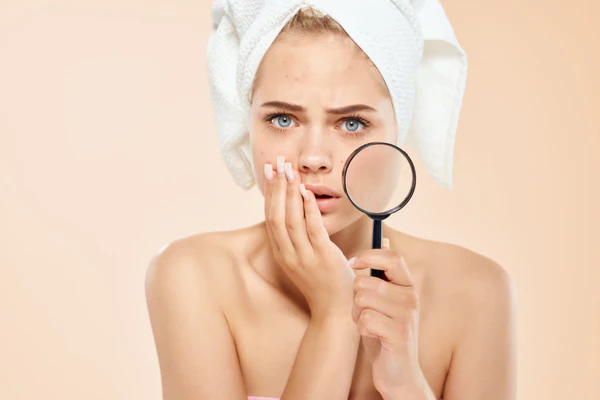
Achieving clear skin requires more than just following a routine. Here’s how to get better results:
- Stick to Your Routine: Consistency is crucial. It may take weeks for your skin to improve.
- Don’t Pick or Squeeze Pimples: This can lead to scarring and further breakouts.
- Consider Supplements: Consult a dermatologist about supplements like zinc and omega 3s, which are known to help with acne.
Product Recommendations for Hormonal Acne
Budget Option: Neutrogena Oil Free Acne Wash
A gentle, budget-friendly option containing salicylic acid that helps prevent breakouts.
Premium Option: La Roche Posay Effaclar Duo
A well-loved premium option with benzoyl peroxide and salicylic acid to target acne and soothe the skin.
Trendy Option: Curology Custom Skincare
Personalized skincare treatments designed to target individual acne triggers, ideal for long-term solutions.
Seasonal Skincare Tips for Hormonal Acne in Women
Summer Version:
- Use lighter, oil-free products.
- Increase SPF protection.
Winter Version:
- Use richer moisturizers to protect against dry air.
- Switch to barrier creams if acne treatments dry your skin.
FAQs: Hormonal Acne in Women
1. What causes hormonal acne in women?
Hormonal acne is caused by hormonal fluctuations that trigger excess oil production, which clogs pores and causes acne.
2. Does diet affect acne?
Yes, diets high in sugar and dairy can worsen hormonal acne. A balanced diet rich in antioxidants and healthy fats is essential for clear skin.
3. Can I treat hormonal acne in women at home?
Yes, using salicylic acid and benzoyl peroxide, and maintaining a proper skincare routine, can help treat hormonal acne.
Hormonal Acne in Women Causes, Treatments & Tips
Hormonal acne in women may be a persistent challenge, but with the right knowledge, treatments, and lifestyle changes, it’s entirely manageable. By understanding the underlying causes, using the best skincare products, and implementing consistent lifestyle changes, you can confidently manage your acne and maintain clear, healthy skin in 2026. Don’t let hormonal acne hold women back. Take control today.