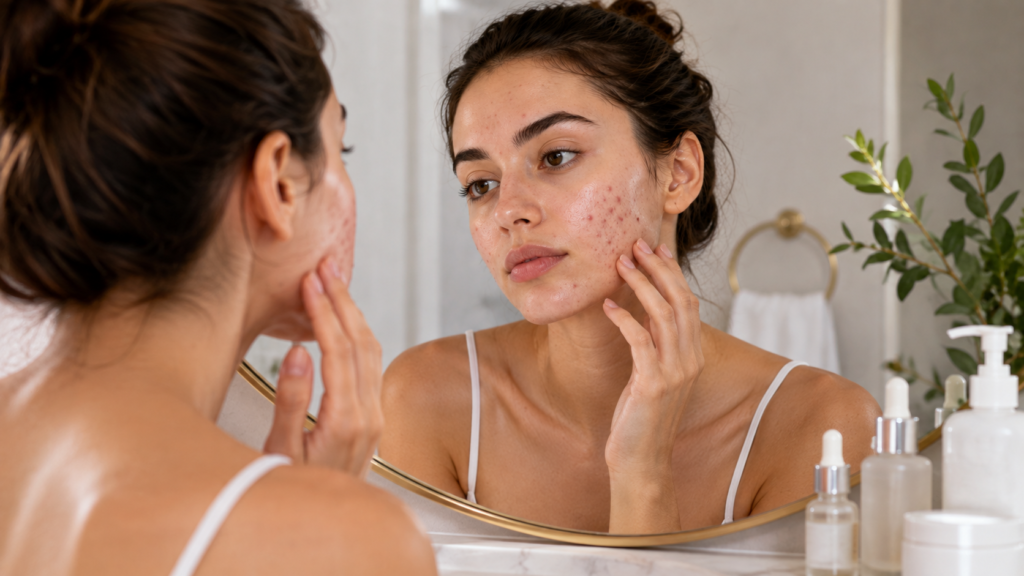
Pimples on the Face: 6 Causes, Home Remedies and Medical Treatment for Clear Skin
Understanding Facial Pimples
Facial pimples are among the most common skin concerns, affecting different age groups and millions of people worldwide. From my experience writing about skincare, I’ve found that breakouts can happen across every skin type, ethnicity, and lifestyle, so they should not be viewed as a personal failure. Recurring breakouts can also affect confidence, especially when they appear before important events. The good news is that several treatment options are available. Understanding the possible causes first makes it easier to choose suitable home remedies or professional medical treatments based on your individual skin needs.
What Causes Pimples on the Face?
Pimples can develop for several reasons, and often more than one factor is involved. Your skin may produce excess oil, pores may become clogged, or internal and external factors may trigger inflammation. The six common causes below cover the main reasons facial breakouts occur.
1. Excess Oil Production
Your skin naturally produces oil to keep it soft and protected. When too much oil is produced, it can mix with dead skin cells and build up inside pores. This excess oil can create the ideal environment for clogged pores and recurring pimples.
2. Clogged or Blocked Pores
When oil, dead skin cells, dirt, and product residue collect inside pores, they can become blocked. Depending on the type and depth of the blockage, this may result in whiteheads, blackheads, or inflamed pimples.
3. Hormonal Changes
Changes in hormone levels can increase oil production and make breakouts more frequent. This is particularly common during puberty, menstrual cycles, pregnancy, and certain hormonal conditions such as PCOS.
4. Bacteria and Skin Inflammation
Bacteria can become involved when a pore is blocked and the skin becomes inflamed. As the area reacts, you may notice redness, swelling, tenderness, or pain around the affected pimple.
5. Diet, Stress and Lifestyle
Daily habits can also influence how your skin behaves. For some people, a diet high in sugar or dairy may be linked with breakouts. Lack of sleep, ongoing stress, and other lifestyle factors can also make acne-prone skin more reactive.
6. Skincare and Makeup Products
Products that are too heavy, irritating, or unsuitable for your skin type may contribute to clogged pores and breakouts. Harsh skincare products can also disturb the skin’s natural balance, so choosing gentle, suitable products is important for acne-prone skin.
Everyday Triggers That Make Pimples Worse
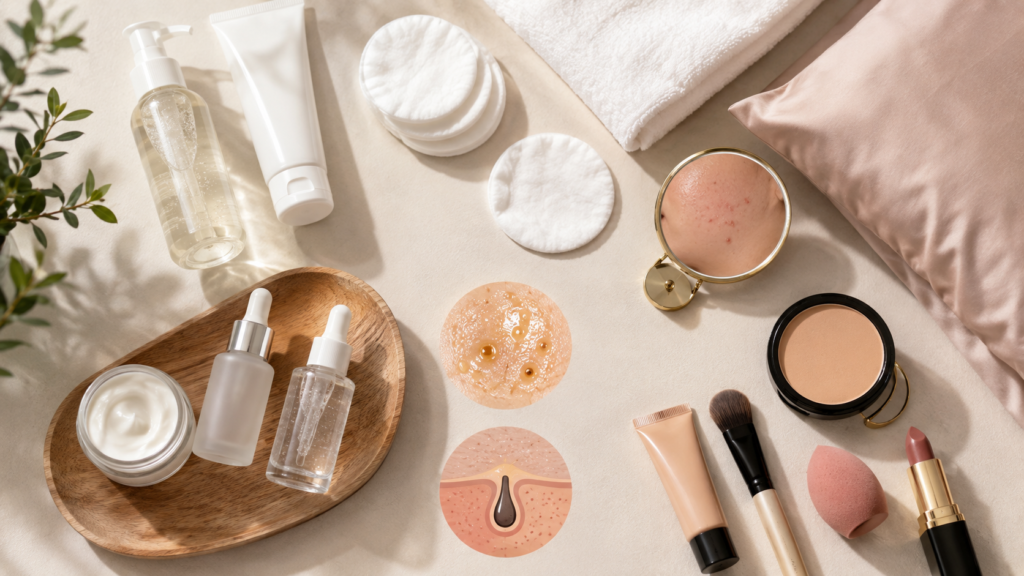
Touching the face: Frequently transfers oil, dirt, and bacteria from your hands to the skin, which can worsen existing breakouts.
Picking or squeezing pimples: Increases inflammation and may leave marks, scars, and longer healing time.
Dirty pillowcases and towels: Can collect sweat, oil, and bacteria, increasing the chance of new breakouts when they repeatedly touch your skin.
Heavy or unsuitable makeup: May clog pores, trap impurities, and make pimples more persistent, slowing skin recovery.
Not removing makeup properly: Leftover makeup can mix with skin oil and block pores, often causing breakouts overnight.
Excess sweating and high stress levels: Without cleansing, sweat can increase irritation and clogged pores. Stress can also affect hormone balance and oil production, potentially worsening acne.
Poor or inadequate sleep: May interfere with skin repair, making active breakouts look more inflamed and slowing recovery.
Home Remedies to Treat Pimples
Cold Compress to Reduce Swelling and Redness
A cold compress can provide quick comfort when a pimple feels swollen or painful. Wrap ice in a clean cloth and gently place it over the area for a short time. This may help reduce redness, swelling, and discomfort without putting pressure on the pimple.
Pimple Patches for Surface-Level Breakouts
Pimple patches create a protective layer over individual spots. These adhesive patches can help keep dirt away, reduce unnecessary touching and picking, and support healing. They are especially useful for protecting surface-level breakouts while they recover.
Aloe Vera Gel for Cooling and Soothing
Aloe vera gel has a naturally cooling and soothing effect that can be useful when the skin looks irritated. Applying it to clean skin may help calm irritated areas and provide gentle comfort without adding heavy products to the skin.
Honey Spot Treatment for Antibacterial Care
Honey can be applied carefully to individual pimples as a spot treatment. Its antibacterial properties may help support cleaner-looking skin and calm irritation. Use a small amount and rinse it gently after a short period rather than leaving a thick layer on the face.
Tea Tree Oil with Diluted Carrier Oil
Tea tree oil is often used for active pimples because of its antibacterial properties and potential to help manage bacteria. Always use it diluted with a carrier oil because applying concentrated tea tree oil directly to the skin may cause irritation.
Steam Facial for Softening Pores
A steam facial can be used occasionally to help soften skin and loosen oil and impurities around pores. Gentle steaming should be followed by mild cleansing. Avoid frequent steaming, particularly if you have sensitive skin, as excessive heat can cause irritation.
Multani Mitti Face Pack for Oily Skin
A Multani Mitti face pack uses natural clay to absorb excess oil and reduce greasiness. It can be useful for oily skin and acne-prone skin, especially when clogged pores are a concern. Use it occasionally rather than allowing the skin to become excessively dry.
Gentle Cleansing Routine Twice a Day
A gentle cleansing routine helps remove buildup, sweat, and excess oil from the skin. A mild cleanser used twice a day can keep the face clean without unnecessary irritation. Avoid overwashing, as excessive cleansing may disturb the skin and encourage more oil production.
Medical Treatment for Pimples
When pimples become frequent, painful, or difficult to manage, professional medical treatment can help control breakouts and lower the risk of scarring. The right option depends on the type and severity of acne. Common approaches include:
Topical Medications for Mild to Moderate Acne
Topical medications, including creams and gels, are applied directly to affected areas. They can help control oil production, clear clogged pores, and reduce bacteria. These treatments are commonly considered for mild acne and moderate acne.
Oral Medications for Persistent Acne
When persistent acne does not respond well to topical care, doctors may prescribe oral medications such as tablets. Depending on the cause, they may help reduce inflammation, limit bacterial growth, or manage hormone-related breakouts. These should be taken under medical supervision.
Hormonal Treatment Options for Hormonal Imbalance
Some breakouts are connected to a hormonal imbalance. In these cases, hormonal treatment options may help regulate hormone levels, which can reduce excess oil and recurring breakouts over time. A healthcare professional should determine whether this approach is suitable.
Chemical Peels for Oiliness and Skin Texture
Chemical peels use controlled solutions to remove dead skin cells from the outer layer. This can help unclog pores, reduce oiliness, and improve mild acne and skin texture. Treatment strength should be selected according to your skin’s needs.
Procedural Treatments for Stubborn Acne
For stubborn acne or inflamed acne, professional procedural treatments may be considered. Dermatological procedures, including comedone extraction and light-based therapies, can target active breakouts and help prevent worsening when performed by a qualified professional.
FAQ’S
1. Can pimples appear even if the face is kept clean?
Yes. Pimples can appear even when you keep your face clean. Acne is not caused only by dirt. Hormonal changes, excess oil production, clogged pores, bacteria, stress, lifestyle factors, and unsuitable skincare products can all contribute. Gentle daily cleansing helps, but over-washing may irritate skin and increase oil production properly.
2. Do pimples go away on their own?
Pimples may sometimes go away on their own, especially mild breakouts. However, frequent, painful, persistent, or inflamed pimples may need treatment. Avoid picking or squeezing them because this can increase inflammation and leave marks or scars. If breakouts keep returning, a dermatologist can recommend suitable medical treatment when necessary properly.
3. Is it normal to get pimples in the same spot repeatedly?
Yes. Repeated pimples in the same area can happen because that pore becomes repeatedly clogged or irritated. Hormonal changes, excess oil, touching the face, makeup, and skincare products may contribute to breakouts. Avoid squeezing the spot and keep your routine gentle. Persistent or painful breakouts may require professional acne treatment.
4. Can weather changes affect pimples?
Yes. Weather changes can influence how your skin behaves. Heat and sweating may increase oil and clogged pores, while dry conditions can cause irritation and affect the skin barrier. During changing weather, use gentle cleansing, suitable moisturiser, and non-comedogenic products to help maintain balanced skin and reduce recurring breakouts overall.
5. Do pimples always leave marks behind?
No. Pimples do not always leave marks behind. However, picking, squeezing, or having severe inflammation can increase the chance of post-acne marks and scars. Gentle daily care, avoiding unnecessary touching, and treating breakouts early can reduce this risk. Persistent acne may require medical treatment to help prevent long-term skin changes.
6. Is it safe to apply multiple treatments at the same time?
Using multiple treatments at the same time is not safe or helpful. Combining strong products can cause dryness, irritation, redness, and increased sensitivity. Introduce treatments carefully and follow professional advice when needed. If you are using medical acne treatments, ask a dermatologist before adding home remedies or other active products.
7. Can shaving or facial hair removal cause pimples?
Yes. Shaving or facial hair removal can sometimes irritate the skin and contribute to bumps that may resemble pimples. Friction, blocked pores, or bacteria can make the area more reactive. Use clean tools, avoid aggressive shaving, and cleanse gently afterward. Persistent or painful bumps should be assessed by a dermatologist.
8. How long does it take for pimples to heal?
Mild pimples may improve within several days to a few weeks, but healing time varies depending on the type and severity of acne. Avoid picking or squeezing spots because this can delay healing and increase marks. Persistent, painful, or inflamed breakouts may take longer and can benefit from medical treatment.
9. Can home remedies help treat pimples?
Home remedies may help manage mild pimples, but they are not suitable for every breakout. Cold compresses, aloe vera gel, pimple patches, gentle cleansing, and occasional Multani Mitti may provide support. Tea tree oil should be diluted before use. Severe, persistent, or painful acne may require dermatologist-guided medical treatment overall.