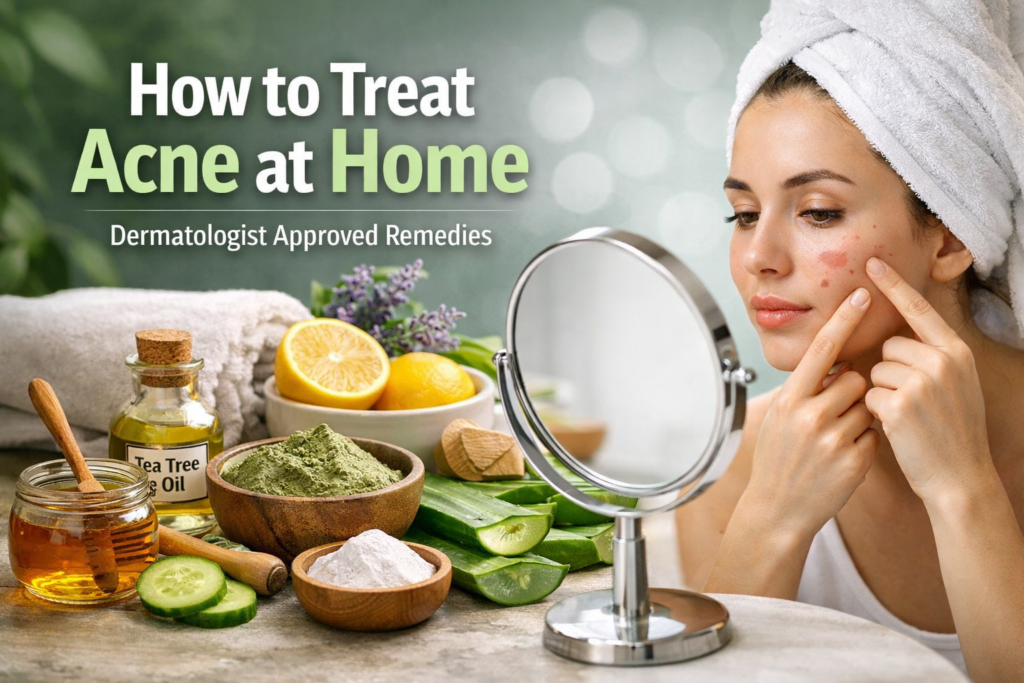
Treat Acne at Home, a skin condition that affects millions globally, can have significant emotional and physical impacts. While many over the counter treatments are available, more women in the USA and UK are turning to dermatologist-approved home remedies for an affordable, accessible, and personalized solution. This article offers detailed, evidence based advice on treating acne at home in 2026, suitable for all skin types and severities.
We’ll delve into how acne forms, the latest trends in acne treatments, and a practical, step by step guide to clear skin. Along with expert tips, common mistakes, and product recommendations, you’ll have all the knowledge you need to treat acne at home.
Understanding How to Treat Acne at Home
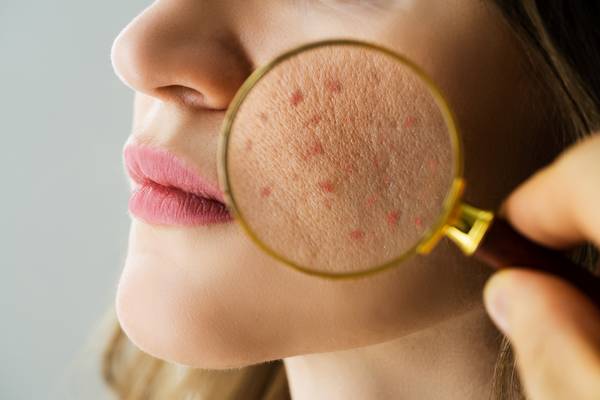
Acne occurs when hair follicles become clogged with oil, dead skin cells, or bacteria, often resulting in pimples, blackheads, and cysts. It’s primarily seen on the face, shoulders, and back, but it can affect all body areas. Acne is most common during puberty, but it can affect individuals well into their adulthood.
Who’s it for? Treat Acne at Home
Acne affects people of all ages, and it isn’t just a teenage problem. Whether you’re experiencing hormonal acne, stress-related breakouts, or lifestyle-induced flare-ups, this guide offers practical solutions for every skin type: oily, dry, sensitive, or combination.
Why It’s Trending in the USA/UK
In 2026, there’s a clear shift towards natural, dermatologist-recommended remedies. This change stems from growing concerns about the use of harsh chemicals in many commercial acne treatments, prompting many to seek gentler, more sustainable alternatives. Popular in both the USA and UK, these treatments are part of the broader wellness movement, offering a holistic, home based approach to clear skin.
Latest Trends in USA & UK (2026 Update)
The treatment of acne at Home t landscape is rapidly evolving. Now, in 2026, skincare routines are becoming more personalized, taking into account not just external treatments but also diet, stress levels, and internal health.
Regional Differences: Treat Acne at Home
- USA: There’s growing interest in at-home LED light therapy and advanced chemical peels, often endorsed by dermatologists and influencers. Devices like the Foreo Luna 3 and products from brands like Skyn Iceland and Neutrogena are in high demand, combining gentle exfoliation with stress-management techniques to clear skin.
- UK: Consumers are favoring natural skincare products, with ingredients like tea tree oil, honey masks, and clay treatments leading the charge. The trend towards clean beauty has prompted more people to try DIY remedies, often focused on sustainability and wellness.
Real Examples: Treat Acne at Home
- USA: TikTok influencers like Dr. Sandra Lee (Dr. Pimple Popper) have popularized at-home LED devices for acne, creating viral buzz around these non-invasive treatments.
- UK: Beauty bloggers have embraced natural ingredients such as aloe vera and witch hazel for acne management, promoting them as eco-friendly, affordable solutions for clear skin.
Step by Step Guide to Treat Acne at Home
This section will provide a comprehensive, step by step acne treatment plan. Each step is designed to be effective and beginner friendly.
1. Cleanse Your Skin Properly
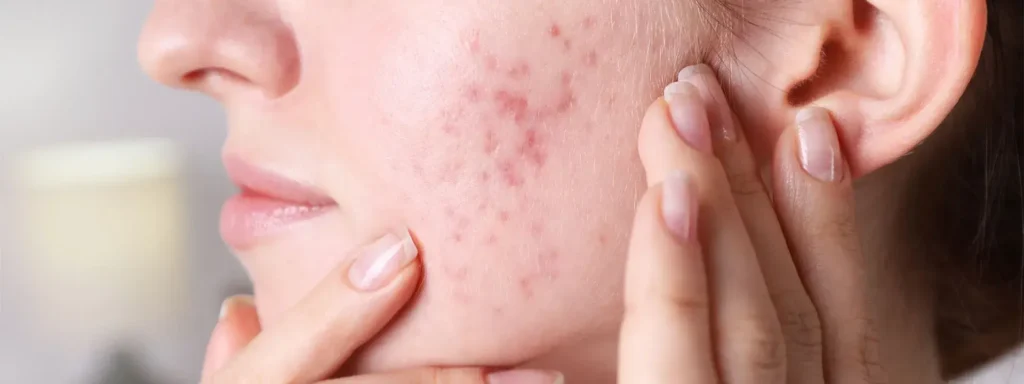
The first step in any acne routine is cleansing. Use a gentle, non comedogenic cleanser that removes dirt and oil without overdrying your skin. Look for ingredients like salicylic acid or benzoyl peroxide, which are proven to reduce acne-causing bacteria.
Pro Tip: Cleanse your skin twice a day, in the morning and before bed, to prevent oil buildup that leads to breakouts.
2. Use Tea Tree Oil
Tea tree oil is a natural antimicrobial that can significantly reduce acne-causing bacteria. Apply diluted tea tree oil to affected areas, or use a ready-made product containing it. Always patch-test before use to avoid irritation.
3. Apply Aloe Vera Gel
Aloe vera has soothing anti inflammatory properties, making it a perfect choice for acne prone skin. Apply fresh aloe vera directly from the plant or use a pure aloe vera gel for a calming, cooling effect.
4. Use a Clay Mask
Clay masks absorb excess oil and impurities. Bentonite or green clay masks are excellent choices for deep cleansing without irritating the skin. Use them weekly to clear pores and keep your skin fresh.
5. Hydrate and Protect Your Skin
Even if you have oily skin, moisturizing is crucial. Look for oil free, non-comedogenic moisturizers that hydrate without clogging pores. Always finish with sunscreen, as UV rays can trigger acne flare-ups.
Common Mistakes to Avoid
- Over-exfoliating: Scrubbing too hard can worsen acne. Stick to gentle exfoliation 1-2 times a week.
- Popping Pimples: Avoid squeezing pimples, as this can cause scarring and inflammation.
- Using Harsh Products: Steer clear of products that dry out your skin too much. Over-drying can cause further breakouts.
- Skipping Moisturizer: Even oily skin needs hydration. Never skip this step.
Expert Tips for Better Results: Treat Acne at Home
- Consistency is Key: Acne treatments take time. Follow your routine daily and be patient for results.
- Diet Matters: Foods high in sugar, dairy, and processed carbs can trigger acne. Try incorporating more antioxidant-rich foods, such as berries and green leafy vegetables.
- Manage Stress: Stress causes hormone fluctuations that trigger acne. Engage in stress-reducing activities, such as yoga or mindfulness, to help keep breakouts under control.
Product Recommendations
If you’re looking to complement your home remedies, consider these dermatologist-approved products:
- Budget Option: Neutrogena Oil-Free Acne Wash. A classic, affordable cleanser that helps to control acne while being gentle on the skin.
- Premium Option: Dr. Dennis Gross Alpha Beta Pore Perfecting Cleansing Gel. A gentle, exfoliating cleanser with added pore-refining benefits.
- Trendy Option: Foreo Luna 3 Facial Brush. This sonic brush deep cleans your skin, preventing acne causing bacteria buildup.
Seasonal Guide: Treat Acne at Home
- Summer: Skin tends to get oilier in hot weather. Stick to gel-based cleansers and lightweight, oil-free sunscreens.
- Winter: Cold weather can dry out skin, so opt for hydrating, non-comedogenic moisturizers.
- Casual vs. Party: For everyday wear, stick to your usual cleansing and moisturizing routine. For parties, ensure your makeup is non-comedogenic and won’t clog pores.
FAQs: Treat Acne at Home
- How can I treat acne at home without chemicals?
- Use natural remedies like tea tree oil, aloe vera, and clay masks.
- Does drinking water help acne?
- Yes, staying hydrated helps reduce skin inflammation.
- Can stress cause acne?
- Yes, stress can trigger hormonal changes that can lead to breakouts.
- How long does it take to see results?
- Typically, 2/4 weeks of consistent use are needed to see improvements.
- Should I pop pimples?
- No, popping pimples can lead to scarring and more breakouts.
Treat Acne at Home Dermatologist
Treating acne at home is not only effective but can also save you time and money. By following the dermatologist-approved remedies outlined in this guide, being consistent with your routine, and taking care of your diet and mental health, clear skin is within your reach. Take charge of your skincare journey and embrace your natural beauty with confidence.